Truth About Dyslexia podcast
5 Big Nutrition Tips For Brains Wired Differently
Ever wondered if what you eat could influence your focus or creativity? In this episode, Stephen Martin opens up about the powerful role nutrition can play for those of us with ADHD, dyslexia, or autism. He also shares why he started a new show, Added Nutrition, where he’ll dig deeper into topics like hydration, red...
Listen to this episode
5 Big Nutrition Tips For Brains Wired Differently
Follow the podcast and keep the next episode close.


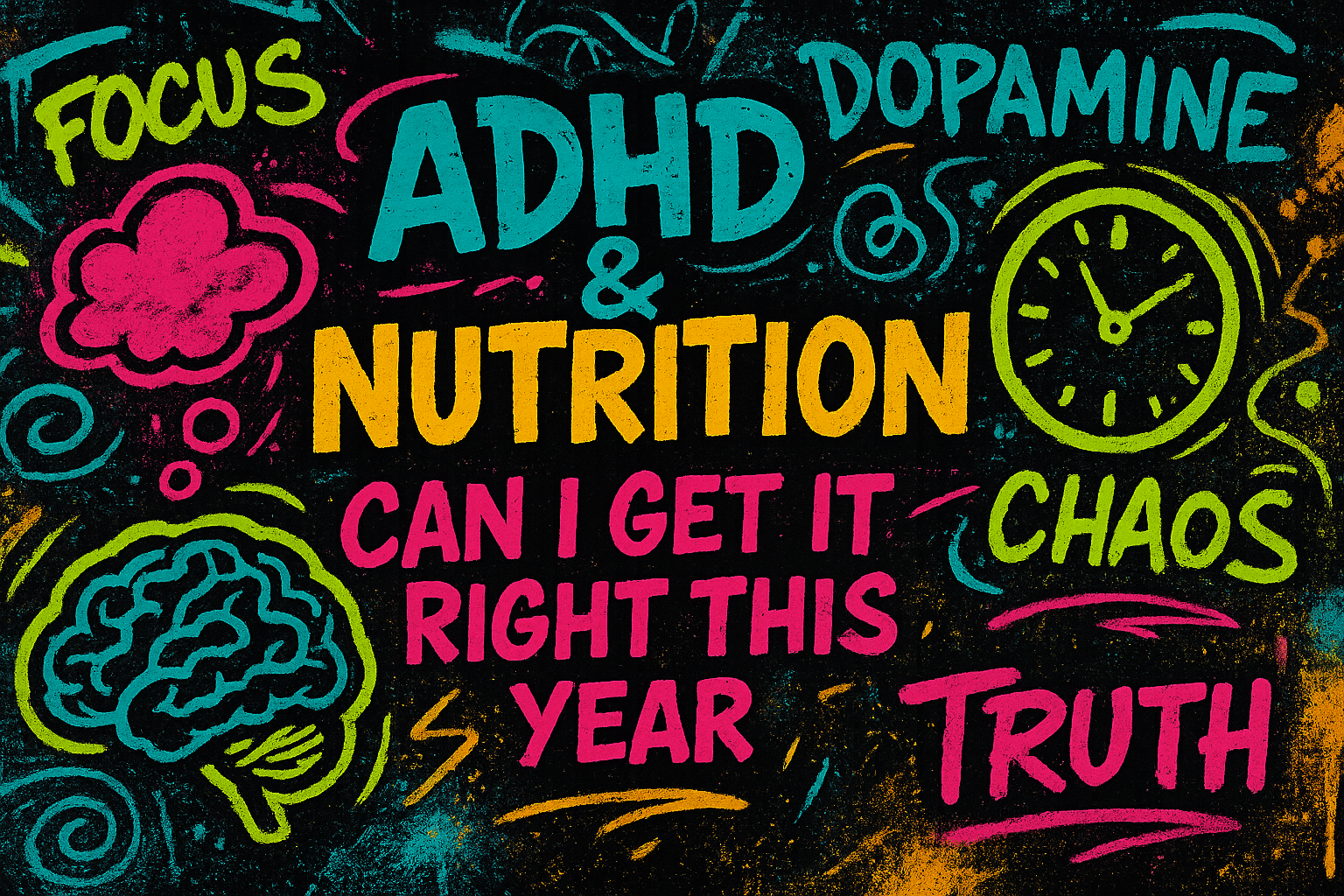
Ever wondered if what you eat could influence your focus or creativity? In this episode, Stephen Martin opens up about the powerful role nutrition can play for those of us with ADHD, dyslexia, or autism. He also shares why he started a new show, Added Nutrition, where he’ll dig deeper into topics like hydration, red light therapy, and gene testing.
The conversation is packed with real-life examples and simple tips. Stephen discusses how nutrient-rich food isn’t just about ticking a box; it can genuinely transform our day-to-day wellbeing. Below, you’ll find a quick overview of key ideas from this episode, plus some practical ways to start making shifts in your own routine.
Why Nutrition Matters for Neurodiverse Brains
Neurodiverse minds tend to process the world a bit differently. That’s why what we eat can have a bigger impact than we might realise. By focusing on certain vitamins and minerals, it’s easier to reduce overwhelm and maintain steady energy levels.
Stephen shared how discovering potassium and magnesium made a real difference in his own day. They helped bring a sense of calm that kept his mind from spinning in too many directions at once. He said:
“Nutrition isn’t just about food groups. It’s about giving our brains a fighting chance to stay balanced.”
If you’ve ever felt burnt out or anxious, simple tweaks in your meals might help more than you think.
Exploring Red Light Therapy
You might have heard about red light therapy, which uses certain wavelengths of light to help the body heal at a cellular level. It may sound futuristic, but Stephen’s experience suggests it can be quite beneficial for boosting energy and mood.
Here’s why it matters:
- Cellular Support: The light can help mitochondria (the cell’s powerhouses) function more effectively.
- Improved Sleep: Many find they sleep better after consistent use, which can greatly help focus the next day.
- Pain Relief: Some people report relief from joint or muscle pain.
It’s not a magic fix, but it can be a stepping stone as you build a more holistic health routine.
Gut Health and Hydration
People often talk about gut health as if it’s a wellness buzzword, but there’s solid science behind it. Our gut influences our mental state in surprising ways. For the neurodiverse mind, an unbalanced gut can lead to even more challenges with mood and concentration.
Adding fermented foods, fresh vegetables, or quality probiotics to your diet is an easy place to start. Proper hydration also goes a long way, yet it’s easy to forget - especially if you’re genuinely busy or easily distracted.
- Include extra water breaks in your daily schedule.
- Try drinks with electrolytes for a quick refresh, especially if you struggle to stay alert.
- Keep a bottle nearby to remind yourself to sip regularly.
Even small shifts can help clear brain fog and keep your energy steadier throughout the day.
Personalising Your Approach With Gene Testing
One of the best things about Stephen’s approach is that he doesn’t believe in one-size-fits-all wellness. Gene testing can reveal a lot about which foods or supplements work best for you. It’s not about diagnosing conditions, but about seeing how your body processes nutrients.
The idea is to skip guessing games. By identifying your genetic tendencies, you can focus on the foods and supplements that truly help. That can include:
- Figuring out if your body struggles to absorb specific vitamins.
- Spotting any genetic markers for conditions like coeliac disease.
- Personalising a supplement plan - ensuring no unnecessary pills crowd your cupboards.
It might cost a bit, but knowing your unique blueprint can save time and frustration further down the line.
Introducing: Added Nutrition
This episode also marks the start of Stephen’s new podcast, Added Nutrition. He’ll explore things like how hydration affects ADHD symptoms, whether certain supplements are worth the hype, and how to make better food choices when your brain won’t slow down.
He’s excited to give neurodiverse adults hands-on tips without endless jargon. The goal is to offer small ideas that fit into your everyday life.
For instance, he mentions quick wins such as:
- Adding More Greens: Easy ways to sneak spinach or kale into smoothies or pasta.
- Tracking Water Intake: Using apps or simple checklists to ensure you’re sipping enough.
- Red Light Breaks: Taking a few minutes in front of a red light device while reading emails or planning your day.
In Stephen’s words, nutrition is a journey. He wants to make it a bit more enjoyable and a lot less confusing.
Final Takeaways
- Nutrition plays a central role in supporting neurodiverse minds.
- Red light therapy can be a fascinating tool for boosting energy and mood.
- Gut health and hydration are closely linked to mental clarity.
- Personalised plans, like gene testing, offer targeted insights.
- Practical changes can produce tangible results over time.
Intrigued? Listen to the full episode above. You’ll hear Stephen dive into how small nutritional shifts can make a big impact in your life and learn more about his brand-new podcast, Added Nutrition.
If you want more resources, you can visit truthaboutdyslexia.com, join our supportive Facebook group at facebook.com/groups/adultdyslexia, or find out about the RightSiders supplement journey at rightsiders.org/wait-list. And of course, check out addednutrition.com for the latest practical tips tailored to neurodiverse minds.
Recognise some of this?
Take the free quizSee which adult dyslexia traits feel familiar.
This short quiz is educational and gives you a useful next step.
Keep exploring this topic