Truth About Dyslexia podcast
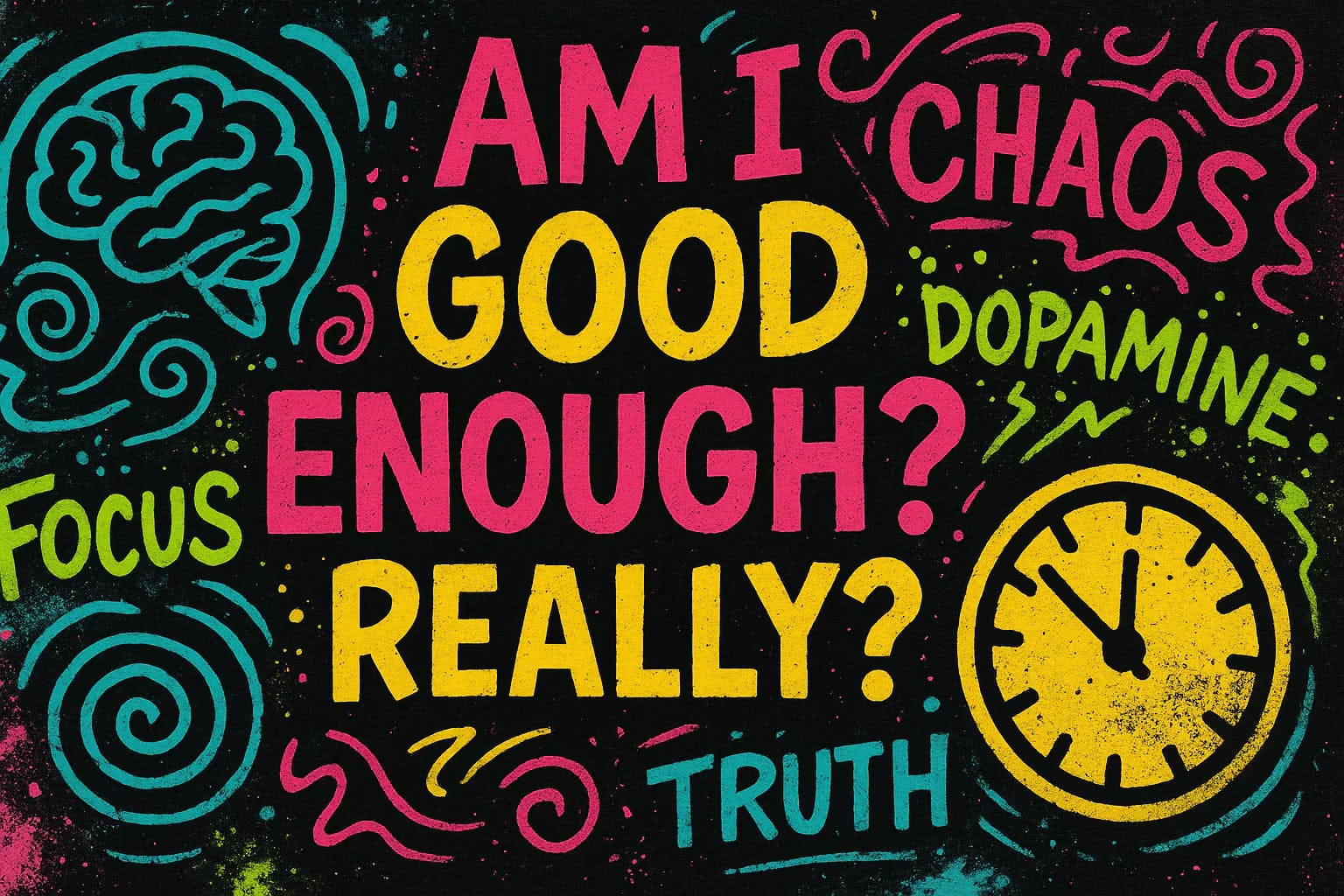
Am I Good Enough? Really?
Do you ever feel like dyslexia is a weight pressing down? It can make us question our worth and second-guess our place in the world. I recently had an experience that hit me hard, and it reminded me just how much dyslexia can affect our emotional well-being. In this episode, which you can stream at...
Listen to this episode
Am I Good Enough? Really?
Follow the podcast and keep the next episode close.


Do you ever feel like dyslexia is a weight pressing down? It can make us question our worth and second-guess our place in the world. I recently had an experience that hit me hard, and it reminded me just how much dyslexia can affect our emotional well-being.
In this episode, which you can stream at the top of the page, I look at what it means to feel unaccepted and misunderstood. We explore how that frustration can build up, especially when things seem unfair or when mistakes feel like a personal failure. Sometimes it gets overwhelming, yet there’s relief when we realise we’re not alone in this journey.
Facing That Awkward Moment
The other day, I was chatting with a friend. Out of nowhere, they pointed out a simple spelling mistake I’d made in a text. It was a small error, but my stomach sank instantly. My head buzzed with thoughts like, “Do they think I’m lazy?” or “Why can’t I just get it right?”
That moment summed up a big part of dyslexia: the anxiety and fear that tiny slip-ups will expose bigger weaknesses. The frustration sometimes makes me want to shout, “You have no idea how much energy it takes to do something so simple.”
Feeling Unaccepted and Misunderstood
It’s not always about grammar or spelling. It can be the way people respond or the jokes they make. One offhand comment can leave a mark on our confidence. For many of us, this feeling kicks off early in life and lingers for years.
“Dyslexia can make us feel unaccepted, misunderstood and sometimes mad.”
This quote from the podcast highlights the emotional side of dyslexia. It’s tough when your brain won’t cooperate under pressure. Those around us might not realise how real that struggle can be.
Embracing Mistakes and Learning
Mistakes are part of being human, but with dyslexia, they can feel like a spotlight shining on our flaws. Over time, I’ve learned that ownership is key. If I pretend my slip-ups don’t matter, I can end up feeling even more powerless.
Instead, I try to:
- Pause and acknowledge how I’m feeling before I respond.
- Remind myself that my mistakes don’t define my intelligence.
- Seek out friends who understand and won’t judge.
This approach has helped me slowly shift from feeling broken to recognising I’m learning alongside my dyslexia, not battling against it.
Relief in a Supportive Community
One of the best ways to lift the burden is by sharing with others who grasp what you’re going through. When I say, “I feel like an outsider,” and someone else nods with total understanding, that feeling of isolation shrinks.
Sometimes, support comes from a tight-knit friend group. Other times, it’s from an online community or a forum where people talk openly about living with dyslexia. We all have unique experiences, yet we discover we share a surprising amount in common.
The podcast episode dives into how group conversations spark validation. It’s amazing how quickly frustration shifts to hope when you realise you’re not alone.
Building Self-Compassion
Accepting the realities of dyslexia means caring for your emotional state. You can’t just fix dyslexia overnight, but you can develop a kinder way to talk to yourself. I’ve found these simple steps calm the storm when I feel frantic:
- Take a breath and ground yourself in the present moment.
- Tell yourself it’s okay to make mistakes.
- Look for small positives to build on, like double-checking one more line or reading one extra paragraph.
Over time, these small but steady actions become a habit. They won’t remove all the struggles, but they’ll help you move further without the emotional baggage.
Key Takeaways
- Little mistakes can amplify stress, yet they’re a normal part of dyslexia.
- Practising self-compassion eases the pressure and reduces self-criticism.
- Community support is a powerful antidote to feeling isolated.
- Owning your challenges often brings more confidence than hiding them.
Want to learn more about turning these insights into daily habits? The podcast episode at the top of this page digs even deeper into how dyslexia shapes our emotions and relationships.
Press play to hear the full story and connect with others on this winding path. You’re not alone on your dyslexia journey - together, we’re discovering what it means to live well with every twist and turn.
Recognise some of this?
Take the free quizSee which adult dyslexia traits feel familiar.
This short quiz is educational and gives you a useful next step.
Keep exploring this topic