
Truth About Dyslexia podcast
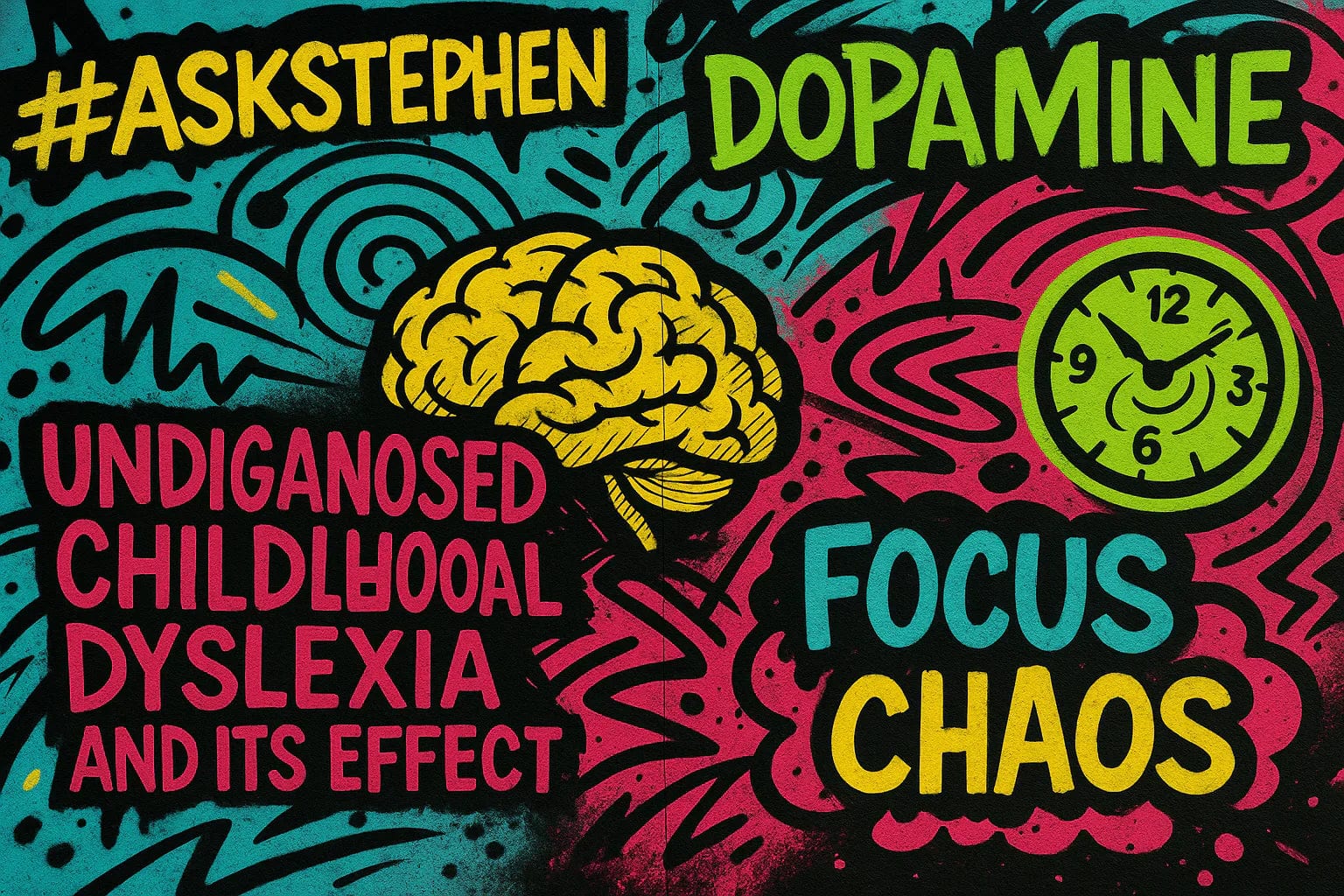
#askstephen – Undiagnosed Childhood Dyslexia And It’s Effect
Ever found yourself in your 30s or 40s suddenly realising you’ve been navigating dyslexia for years without even knowing it? That’s more common than you might think. In this episode, we explore how late diagnosis can shift the way you see your own life and show you how to move forward with fresh perspective. We...
Listen to this episode
#askstephen – Undiagnosed Childhood Dyslexia And It’s Effect
Follow the podcast and keep the next episode close.


Ever found yourself in your 30s or 40s suddenly realising you’ve been navigating dyslexia for years without even knowing it? That’s more common than you might think. In this episode, we explore how late diagnosis can shift the way you see your own life and show you how to move forward with fresh perspective.
We look at what leads to late diagnosis, how it influences your view of past strengths and struggles, and why it’s often the gateway to rediscovering hidden skills. If you’re curious about what the future holds once you’ve got the diagnosis, you’re in the right place. This podcast tackles these questions and offers tips, stories, and real-life insights that can help you make sense of it all.
Why Late Diagnosis Happens
Many people don’t get diagnosed until adulthood because dyslexia can slip under the radar during school years. Some learn to cope by picking up unusual strategies to mask reading or writing challenges. You might have been the one who loved class discussions but froze during written exams.
Sometimes well-meaning teachers, friends, or parents assume you just need to “work harder.” The idea that you could have a learning difference doesn’t always come up. By the time you reach adulthood, you may have developed your own ways of managing, so no one notices. Yet when life ramps up, those hidden struggles can surface.
Common Feelings That Arise
Late diagnosis can be both a relief and a shock. You realise you’re not “slow” or “lazy.” You’ve got a genuine difference in how your brain processes information. That can release years of pent-up frustration.
On the flip side, you might wonder if things would’ve been easier had you known earlier. Regret or anger can bubble up. Though it’s natural to wish things had been different, try to see this as a new chapter. One of my favourite lines from the episode was:
“Sometimes discovering you’re dyslexic later in life feels like unlocking a hidden superpower you never knew you had.”
That moment of recognition, though late, might give you a deeper understanding of yourself. It can also spark a sense of purpose you never expected.
Shifting Your Mindset
Give yourself time to absorb this identity shift. If you’re used to explaining away your challenges as just “not being good at reading,” it may take a while to embrace that your brain just works differently. This can open up a sense of curiosity. You might find yourself asking questions you never thought to ask.
As you process this discovery, consider these ideas:
- Talk to others who’ve walked the same path. Hearing stories from people who gave themselves grace post-diagnosis can be inspiring.
- Seek out resources. There are communities, online forums, and support groups specifically for adult dyslexics.
- Experiment with new tools. Speech-to-text software or audiobooks can smooth your daily tasks.
There’s no one-size-fits-all solution, but being open to trying different methods can help you find what works best.
Next Steps for Growth
Once you’ve wrapped your head around the diagnosis, it’s time to focus on growth. You’ve lived most of your life adapting to dyslexia without even knowing it, so imagine what you can do now that you’re armed with self-awareness.
Consider:
- Looking ahead past regrets: You can’t change when you got the diagnosis. What you can do is use this knowledge to shape a more fulfilling future.
- Leaning into your strengths: Maybe you’re an amazing storyteller or a whiz at creative problem-solving. Pinpoint those talents and see where they lead.
- Seeking professional advice: Talking to specialists might give you tailored strategies. Knowledge is power, so don’t hesitate to ask for help.
You deserve support as you continue on this journey. The diagnosis might feel like a fresh start, but it’s also a chance to reflect on how far you’ve already come.
Key Takeaways
- Late diagnosis often happens when you’ve learned to hide dyslexic traits at school and work.
- The emotional impact spins from relief and excitement to regret about missed opportunities.
- Finding community and resources can ease your transition into a more empowered mindset.
- Embracing your strengths helps you build confidence and map out new possibilities.
If any of this hits home, I encourage you to listen to the full podcast episode by clicking on the player at the top of this page. You’ll hear personal insights and more tips on navigating life post-diagnosis. It’s a conversation that might just spark your next step.
Recognise some of this?
Take the free quizSee which adult dyslexia traits feel familiar.
This short quiz is educational and gives you a useful next step.
Keep exploring this topic
Useful reading and listening for your next step.
Read next