What is the relation between nutrition and dyslexia?
Dyslexia is recognised as a neurodivergence condition, with a genetic component. Dyslexia relates closely to the brain if the brain is well nourished, this can support and improve the well-being and learning conditions of the person in gentle and meaningful ways.
Specific nutritional strategies can be implemented from personalised balanced plates to ensuring necessary nutrients are present in adequate levels. For the purpose of this article, I will highlight:
1) Essential fatty acid Omega3,
2) Zinc, and
3) Blood sugar balance
Essential fatty acid Omega3
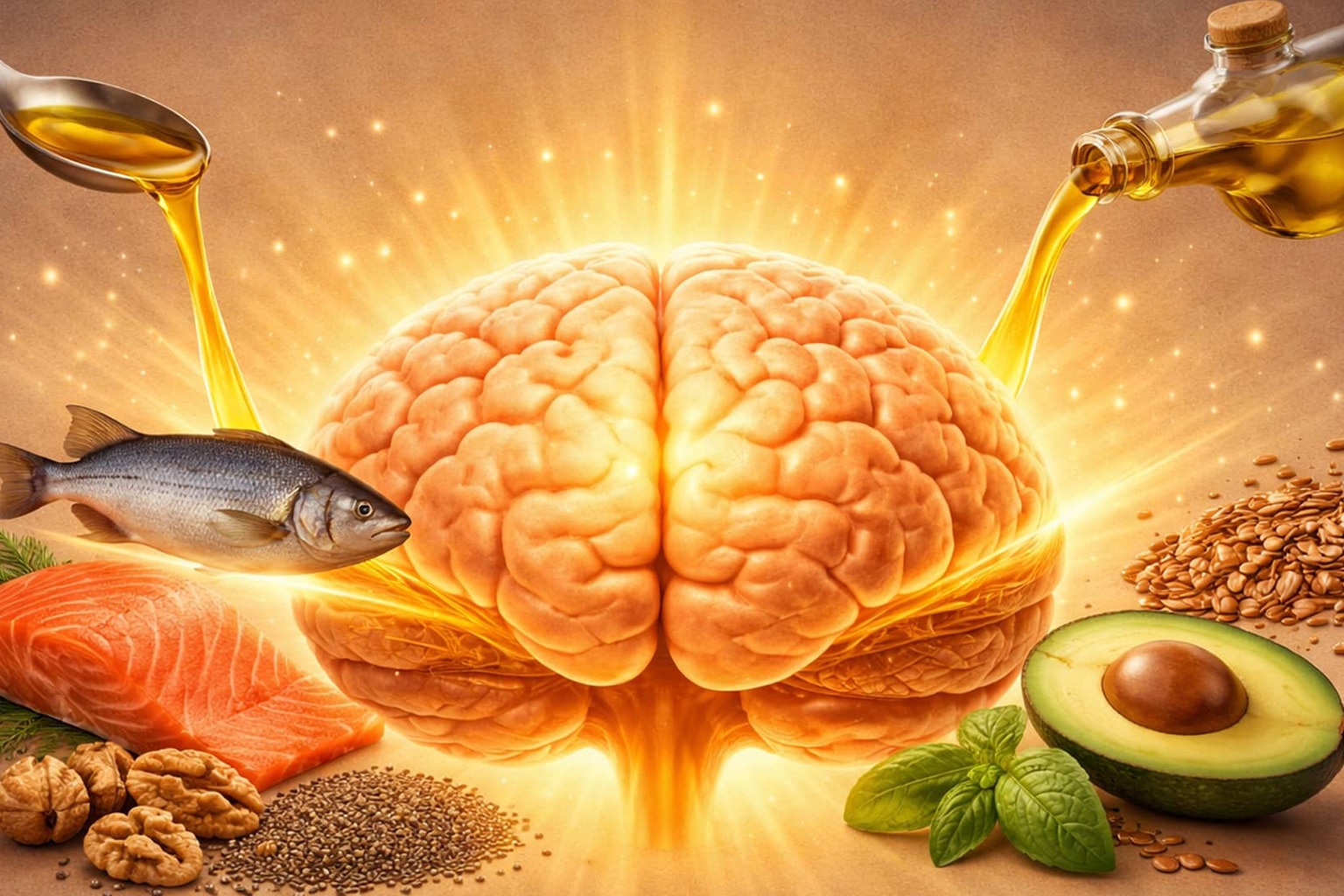
The brain at least 50% to 60% fat and the concentration of Omega3 is the highest in the brain. Omega3 fatty acids refer to DHA and EPA. These are simply acronyms for types of molecules which play an essential role in making up the membrane of the cells in the brain and the body.
DHA is the most abundant Omega-3 fatty acid in the brain and has been shown to display neuroprotective properties, whilst EPA has been linked to reducing inflammation.
Continued research shows that increased intake of omega-3s may improve cognitive abilities, working memory, language and calculation, reasoning and problem solving, which are all implicated in dyslexic brains.
Omega-3s also play a role in mood regulation, helping the brain communicate using the neurotransmitters serotonin (‘happy’ hormone) and dopamine (motivation, cognition, reward and pleasure).
Food sources of Omega3 include; fatty fish such as salmon, sardines, mackerel, and also walnuts, olive oil. Flaxseed, chia, walnuts. Supplementation is an option, however, do refer to a qualified nutritional therapist for dosage, frequencies, and checking of interactions with any taken medicine.
Zinc
This is a micro nutrient which is essential for brain function and development. It is an important co factor in the production of neurotransmitters. Zinc helps the body make acetyl-choline which is important for working memory and self-regulation. It is implicated in the production of B vitamins and the pathways of particular type of lipids (phospholipids) all needed by the brain.
When levels are suboptimal, attention, memory and mental stamina can be negatively impacted, and these may already be under pressure for someone with dyslexia.
Food sources of zinc include: shellfish, oysters, red meat, poultry, pumpkin seeds, cashew nuts. Supplementation is an option, however, do refer to a qualified nutritional therapist for dosage, frequencies and interaction check with medicine if taken.
Blood sugar balance
Blood sugar (or ‘blood glucose’) levels should ideally remain within a range as too much glucose in the bloodstream can be damaging to cells. When out of range, blood sugar levels become imbalanced. Signs of tiredness, irritability, carbohydrates cravings can manifest, as well as difficulty concentrating. The brain needs a steady amount of glucose, not spikes.
How to support balanced blood sugar levels:
Our food choices have an influence on our physiology, mood, and cognition, and these are choices we can make every day.
As a Naturopathic Nutritional Therapist, supporting individuals with their own specific conditions is at the heart of my practice.
Linda Zahri
Naturopathic Nutritional Therapist, Dip.NNT, NNA
zahrilin@gmail.com