



Truth About Dyslexia podcast
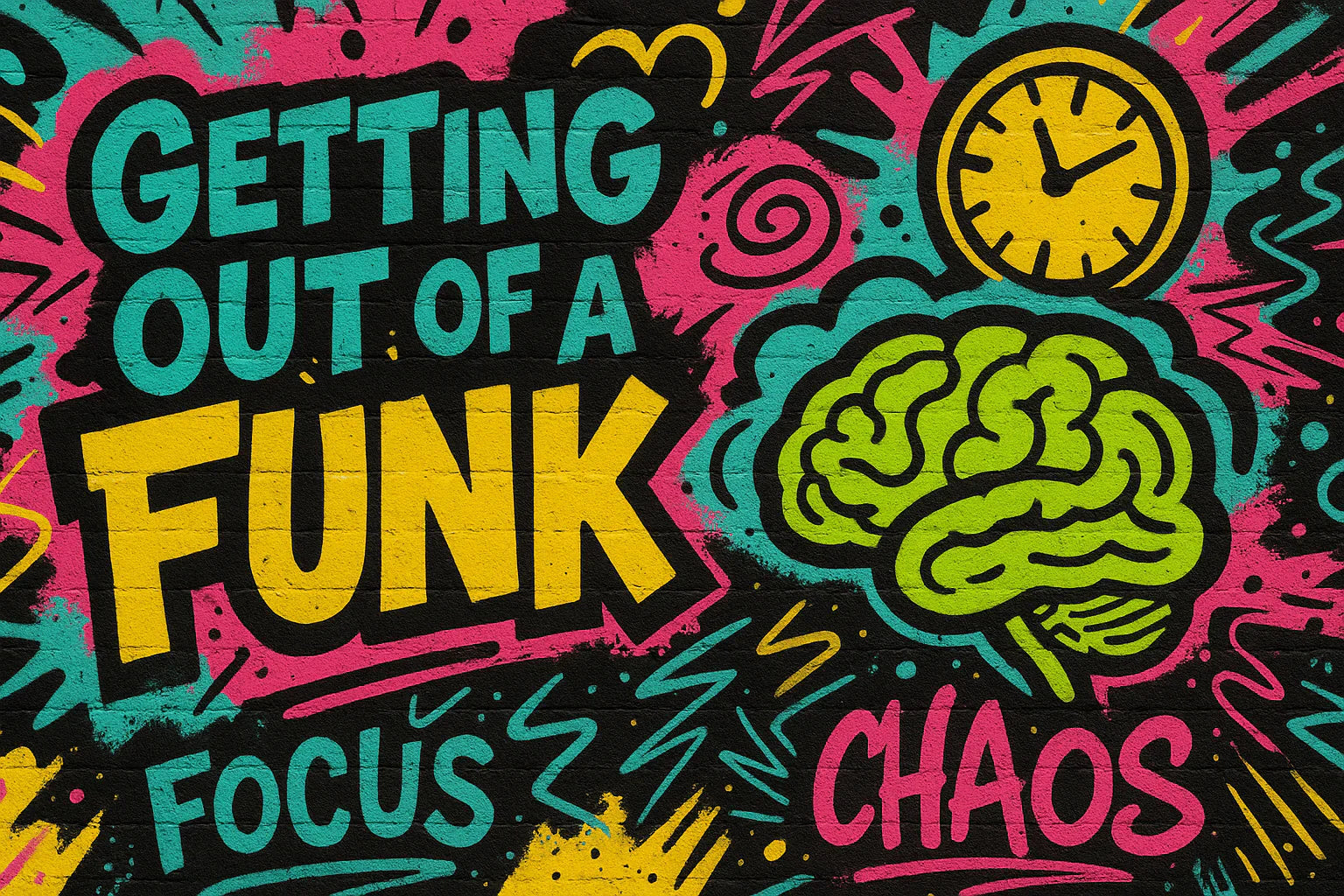
Getting Out Of A Funk
Ever feel stuck in a rut you just can’t pull yourself out of? Sometimes it’s a fog that rolls in without warning. We’re left asking ourselves what went wrong and how to fix it. In my latest podcast episode, I dive into exactly that: the “funk” we all experience now and then. I chat about...
Listen to this episode
Getting Out Of A Funk
Follow the podcast and keep the next episode close.


Ever feel stuck in a rut you just can’t pull yourself out of? Sometimes it’s a fog that rolls in without warning. We’re left asking ourselves what went wrong and how to fix it. In my latest podcast episode, I dive into exactly that: the “funk” we all experience now and then.
I chat about how it sneaks up, why it can be extra challenging for those of us with dyslexia or other neurodiverse traits, and the small daily changes I’m making to shift my perspective. We discuss how a single spark of inspiration can do wonders, even if it takes time to properly ignite.
Understanding Why the Funk Hits
You know the feeling. Everything feels a bit heavy or dull, and your usual tricks to pep up don’t seem to work. It can be stress from work, a relationship snag, or just the occasional dark cloud that lands on your shoulder for no apparent reason.
I’ve noticed there’s often a hidden trigger. Maybe my routine gets a bit stale or I take on too many commitments. If that sounds familiar, you’re not alone. When I realised I was stuck, I took a moment to reflect and gather my thoughts - sometimes we just need to give ourselves permission to admit there’s a problem.
Remembering You’re Not Alone
In the podcast, I share a simple yet powerful moment:
“I feel like I’m in a funk and it’s not easy to escape.”
Those words came out almost without thinking, and suddenly I felt a little lighter. Being open about it can help us see we’re not on an island. Sharing your struggle might spark a chat with a friend who’s going through something similar, or who has their own tips and tricks. It’s amazing how much it helps to know you’ve got someone in your corner.
Small Shifts in Mindset
When you’re in a funk, the last thing you want is a long list of complicated steps. Instead, I’ve learned to focus on small, easy-to-implement shifts. For instance, I try changing my morning ritual ever so slightly. Maybe I drink my coffee outside or move my phone out of arm’s reach at night. Tiny changes can freshen up the day.
Yes, we’re talking baby steps, but they matter. It’s like sending your brain a positive signal that you’re doing something new. It breaks the monotony and gives a subtle nudge to keep going.
Putting Structure to Good Use
Though too much structure can feel stifling, a bit of planning keeps you on track. I’m trying these bite-sized ideas:
- Write down one thing I’m grateful for each morning - even if it’s just that I got a decent night’s sleep.
- Set small goals for the day, like clearing my inbox or tackling a single chore I’ve been dreading.
- Plan a quick break every couple of hours. A short walk or a stretch can do wonders for resetting a foggy brain.
That last point might be the easiest and most effective technique I’ve found in years. The simple act of heading outside can be a real booster. Even if you’re not a nature lover, seeing trees or breathing fresh air can clear an overloaded mind.
Trying Something Different
There’s real power in variety. If your day feels repetitive, look for a fresh angle. Perhaps you swap your usual route to work or try a new hobby. Doing something unfamiliar helps jolt you out of autopilot and reminds you there’s more to life than your current mood.
I recently started doodling whenever I feel my mind wandering. A quick sketch is enough to pull my focus away from tricky thoughts. It doesn’t solve all my problems, but it shows my brain there’s an alternative to spiralling.
Before long, you might find those clouds lifting. Don’t underestimate how small actions can have a big effect. No single fix solves everything, but each step is a gentle push forward.
- Notice your triggers and name them.
- Talk openly about how you’re feeling.
- Experiment with tiny changes in routine.
- Add small moments of gratitude to each day.
- Seek a bit of variety to snap out of autopilot.
And keep in mind this is a process. You won’t transform overnight, but learning to be patient with yourself is often half the battle.
Key Takeaways
- Admitting you’re in a funk can instantly lighten the weight.
- Small steps, even trivial ones, add up over time.
- Routine can be your friend or your enemy - choose wisely.
- Sharing how you feel often leads to supportive connections.
- Diversity in your daily habits can break a negative cycle.
If you want to hear the full story, you’ll find the podcast player at the top of the page. Tap play and join me in the conversation as we explore what helps when we’re in a funk.
Recognise some of this?
Take the free quizSee which adult dyslexia traits feel familiar.
This short quiz is educational and gives you a useful next step.
Keep exploring this topic
Useful reading and listening for your next step.
Read next