



Truth About Dyslexia podcast
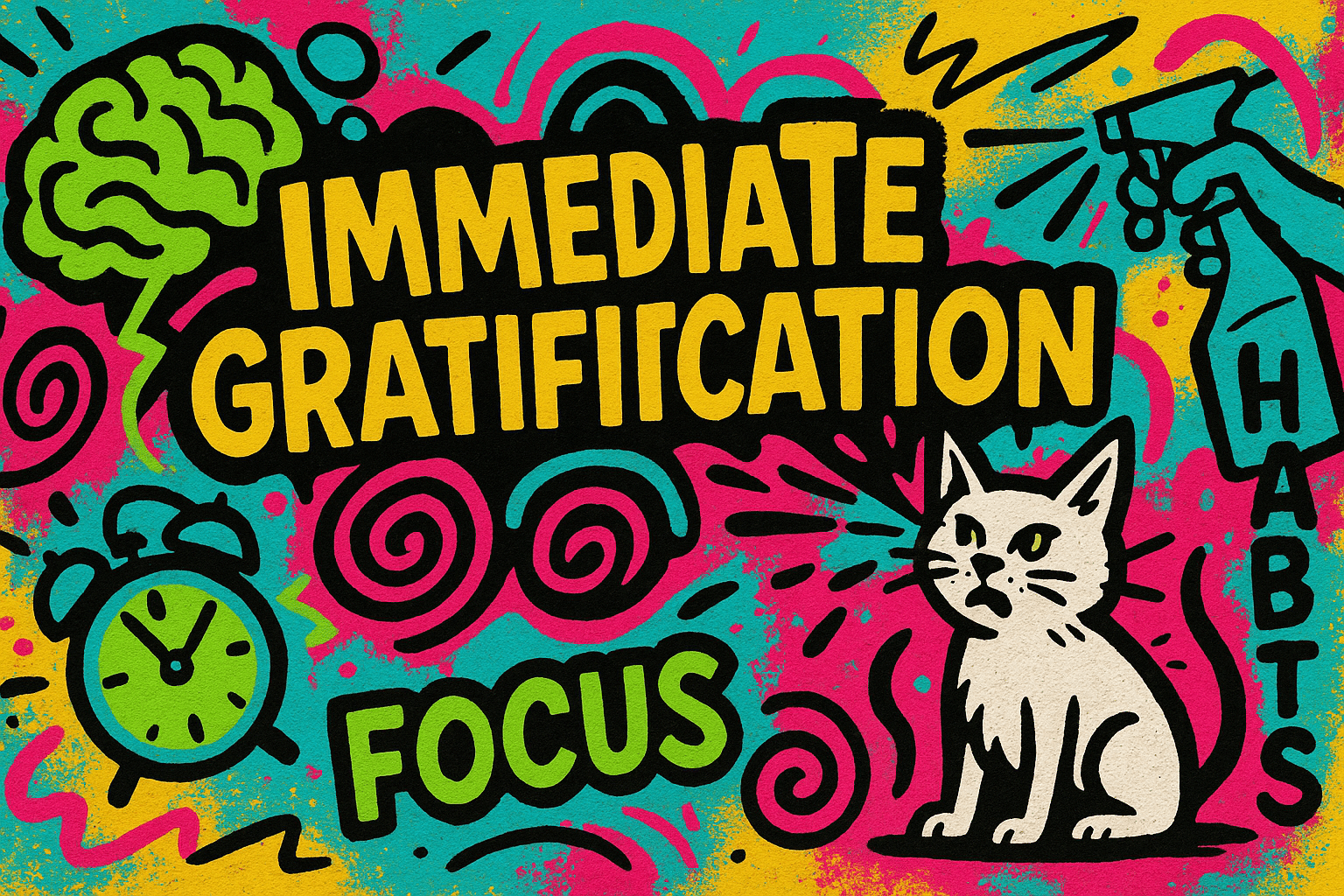
Immediate Gratification, Spraying A Cat With Water And Creating Habits
Do you ever find yourself excited to start a new habit, then lose steam after a few days? It happens to all of us. But when you have dyslexia, there can be extra hurdles that make forming consistent habits feel like an epic quest. In this episode of the Truth About Dyslexia podcast, we explore...
Listen to this episode
Immediate Gratification, Spraying A Cat With Water And Creating Habits
Follow the podcast and keep the next episode close.


Do you ever find yourself excited to start a new habit, then lose steam after a few days? It happens to all of us. But when you have dyslexia, there can be extra hurdles that make forming consistent habits feel like an epic quest.
In this episode of the Truth About Dyslexia podcast, we explore why some typical “habit hacks” don’t always work for people with dyslexia. We also chat about practical strategies for getting back on track when life throws curveballs. If you’re looking to maintain habits without driving yourself mad, you’ll find helpful tips and fresh insights here.
The Sneaky Nature of Dyslexia-Related Challenges
Dyslexia isn’t just about reading or spelling. It can show up in everyday organisation and time-management tasks. You might feel scattered or struggle to stay on one task for too long. That usually means setting a new morning routine or workout schedule can feel like pushing water uphill.
Often, our brains need more creative ways to stay motivated. We do better when we can see or hear something in an engaging way. Willpower alone doesn’t cut it. In the podcast, we discuss how dyslexia prompts us to look for playful, flexible methods of habit-building, instead of relying on strict routines.
Small Steps, Big Wins
Nobody forms a habit in one leap. Start tiny, then celebrate each win. Maybe you want to develop a habit of journalling for clarity. Instead of pushing yourself to write paragraphs each day, commit to three bullet points. Keep it achievable.
When those small tasks add up, you realise you’re building momentum. That momentum feels good. You can then add a little more complexity without overwhelming yourself. In time, you’ll look back and notice genuine progress.
Leveraging Your Dyslexic Strengths
Being dyslexic doesn’t only bring challenges. It can boost creativity and problem-solving skills. That’s a superpower when it comes to habit-building. Our brains can find inventive ways to stick with a routine that others might not consider.
As discussed in the episode, perspective is everything. One quote stuck with me:
“The dyslexic mind is excellent at seeing endless ideas and paths, so it’s about harnessing that mind-set without getting lost in it.”
This wide-angle thinking can be a curse if you let it scatter your energy, but it’s also a gift if you channel it into designing habits that ignite your curiosity. Watch what catches your interest. Think of systems that suit you, rather than using one-size-fits-all approaches.
Tools, Reminders, and Making Life Easier
Technology can be a brilliant ally. Reminders on your phone or an easy-to-use task manager can help you create a practical routine. This is especially helpful if you’re juggling multiple responsibilities and need prompts at just the right time.
You might also consider:
- Visual props: Sticky notes in strategic places, bright-coloured calendars, or even mind maps.
- Audio cues: Voice memos or repeated voice reminders to shift your attention when it starts to wander.
- Habit trackers: A simple chart or app that lets you tick off daily tasks. Seeing your progress can be motivating.
Pick what resonates with you. Experiment, revise, and keep it fun. There’s no shame in using every tool at your disposal to work with your brain, not against it.
Key Takeaways
- Keep goals small and realistic, then let success build on itself.
- Safeguard your energy by using creative tools and reminders.
- Acknowledge dyslexia’s unique strengths and turn them into habit-building advantages.
- Remember that the path to consistent habits won’t be perfect. Imperfection is part of the process.
Ready to dive deeper? Give the full podcast episode a listen. You’ll learn more about turning dyslexic quirks into powerful habit-forming allies. Treat yourself to some fresh insights, and see if it sparks a new way forward.
Recognise some of this?
Take the free quizSee which adult dyslexia traits feel familiar.
This short quiz is educational and gives you a useful next step.
Keep exploring this topic
Useful reading and listening for your next step.
Read next