


Truth About Dyslexia podcast
Lists..They Don’t Have To Be Boring
If you’ve ever felt frazzled by a sea of tasks swirling around in your head, you’re not alone. In this episode of the Truth About Dyslexia podcast, Stephen Martin shows how simple lists can offer clarity, direction, and a real sense of control. He covers why they’re so important for busy minds, whether you’ve got...

Listen to this episode
Lists..They Don’t Have To Be Boring
Follow the podcast and keep the next episode close.


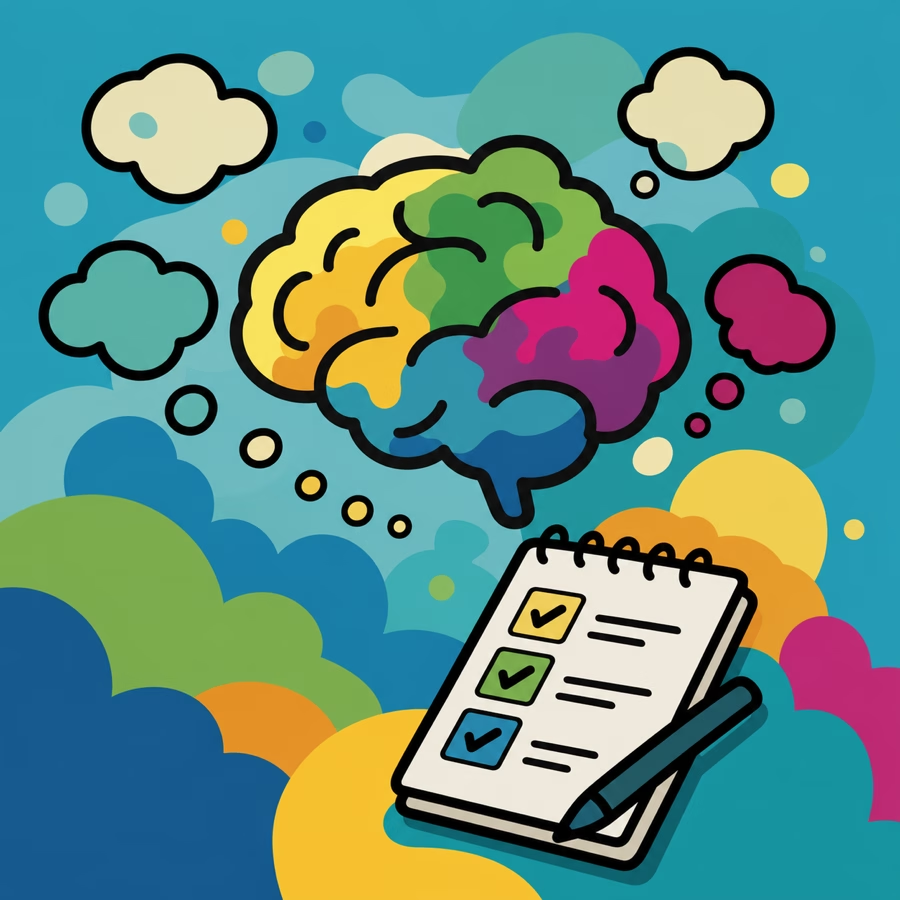
If you’ve ever felt frazzled by a sea of tasks swirling around in your head, you’re not alone. In this episode of the Truth About Dyslexia podcast, Stephen Martin shows how simple lists can offer clarity, direction, and a real sense of control. He covers why they’re so important for busy minds, whether you’ve got dyslexia or not, and how you can use them to reach your goals.
This week’s episode digs into the different types of lists, how to use them effectively, and the subtle mindset shifts that make them stick. It’s a relaxed but informative chat that will inspire you to start writing things down before they slip away. By the end, you’ll see how lists can reinforce focus and free up headspace for bigger, more creative thinking.
Why Lists Give You Clarity
If you’ve been feeling scattered or overwhelmed, lists can ground you in the present moment. They help you brain-dump whatever is swirling around so you can stop juggling tasks in your head. This can work especially well for dyslexics who often hold a million ideas but struggle to organise them in a neat mental box.
Once you see your tasks written down, you’ll find it easier to decide what needs doing first. You’ll also discover that you’re not forgetting as many important details. That clarity often translates directly into feeling more confident about the day ahead.
How to Start a List Habit
It’s one thing to recognise the value of lists. It’s another to actually practise writing them every day. Don’t overcomplicate it. Grab a notepad or use your phone - it doesn’t have to be fancy. The key is making list-making part of your routine.
- Set a reminder on your phone to create your list each morning.
- Keep a small notebook handy if you prefer pen and paper.
- Jot down tasks in the order they pop into your head, then review and prioritise.
Once you get into the habit, you’ll notice an immediate reduction in mental clutter. This simple tweak can make a big difference to your productivity, especially if you struggle with focus.
Turning Lists Into Action
A list is helpful only if it leads somewhere. If you ignore or lose it halfway through the day, it just becomes another forgotten note. Stephen suggests checking in with your list during short breaks or whenever you feel stuck. Then pick the top two or three tasks you can tackle right away.
“People often think they’re too busy to write lists. The truth is it’s exactly when you’re busy that lists become essential.” – Stephen Martin
Thinking about action steps while you create your list makes it more powerful. For example, if you write “organise my workspace,” also jot down the first step: “clear clutter off the desk.” Concrete tasks boost your chance of following through.
Common Pitfalls to Avoid
We all know how easy it is for good intentions to fizzle. Sometimes it helps to be aware of common mistakes that derail people. That way, you’ll steer clear or at least handle them better if they show up.
- Overfilling your list and feeling overwhelmed
- Never reviewing what you wrote down
- Not celebrating small wins along the way
- Using lists as a form of procrastination rather than progress
Keep your lists realistic. Focus on what can be done today, not ten years from now. Celebrate whenever you tick something off. Those small moments of achievement add up, encouraging you to keep going.
Below are a few takeaways to remember from this episode:
- Lists offer mental relief by clearing your head and providing clarity.
- Start small and build a daily routine that works for your brain.
- Review your list often, then take action on what you wrote.
- Be mindful of pitfalls like ignoring the list or overfilling it.
If you’re itching to put these ideas to work, you’ll love the full discussion with Stephen. You’ll hear more stories, tips, and experiences that bring these points to life. The podcast player is at the top of this page, so tune in now and see how lists can guide you to where you want to go.
Recognise some of this?
Take the free quizSee which adult dyslexia traits feel familiar.
This short quiz is educational and gives you a useful next step.
Keep exploring this topic