Truth About Dyslexia podcast
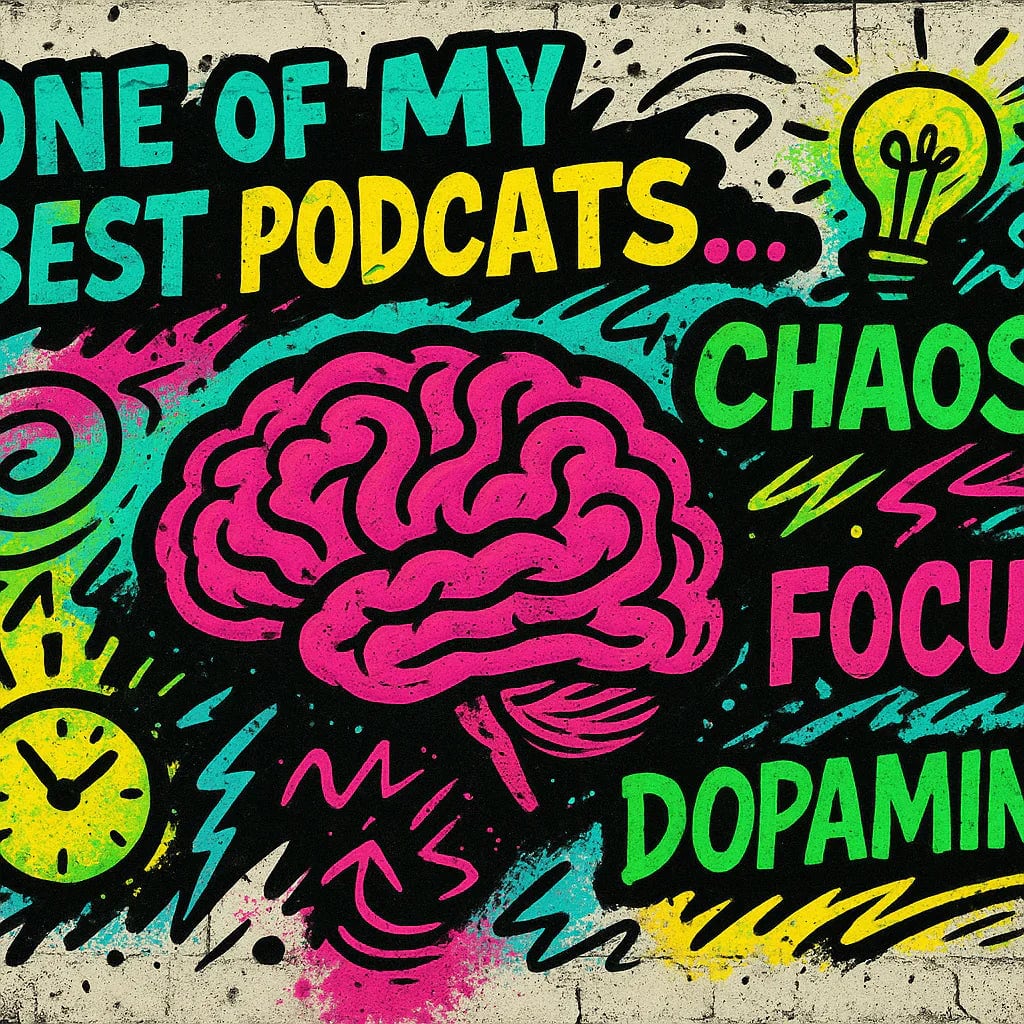
One Of My Best Podcasts…
Welcome to this quick dive into another honest and energetic episode of the Truth About Dyslexia. In this one, Stephen shares that feeling we all crave - the exciting flow where creativity bursts and new insights pop up left and right. He highlights a fresh way to see dyslexia and ADHD, and it might just shift your...
Listen to this episode
One Of My Best Podcasts…
Follow the podcast and keep the next episode close.


Welcome to this quick dive into another honest and energetic episode of the Truth About Dyslexia. In this one, Stephen shares that feeling we all crave - the exciting flow where creativity bursts and new insights pop up left and right.
He highlights a fresh way to see dyslexia and ADHD, and it might just shift your mindset. The episode covers how to harness that “in the zone” feeling, appreciate the right-brain strengths you’ve got, and use them in your day-to-day life. It’s all about recognising your unique gifts and learning to trust yourself more.
The Power of Feeling “In the Zone”
There’s that magical moment when everything seems effortless, like your thoughts finally line up and you’re free to explore ideas without getting tangled. Stephen starts by explaining how feeling “in the zone” can boost your sense of worth. It’s not just for athletes or artists. Anyone can experience it, especially those with dyslexia or ADHD.
He points out that you might fall into self-doubt if you’re not tapping into this state. You could find yourself reading too many how-to guides or forcing your brain to behave in ways it doesn’t like. When you let go of that, you see more possibilities. You connect different ideas. Suddenly, you’re not fighting your brain; you’re working with it.
“I’m feeling so in the zone at the moment. This podcast is a mind shifter I feel. Dyslexia, ADHD or whatever amazing right sider you are… I hope this adds a little bit of a new perspective to you.”
A New Perspective on Dyslexia and ADHD
Sometimes schools or workplaces see these as difficulties that need fixing. That’s where Stephen flips the story. Instead of treating dyslexia and ADHD like problems, he talks about them as tools for creativity. He’s noticed that many “right-siders” might seem disorganised, but they often come up with the best ideas when no one’s looking.
He also stresses that life isn’t about forcing yourself into rigid systems. It’s about finding the right environment or approach that lets your strengths shine. If you’re the kind of person who sees patterns everywhere, or if you skip steps in a problem but reach a brilliant conclusion, that’s worth celebrating. You shouldn’t feel lesser because you don’t match some checklist in your head.
Practical Ways to Use Your Unique Thinking
Learning to harness dyslexia or ADHD involves a bit of trial and error. Stephen shares a few suggestions:
- Explore tools that suit your thoughts - like mind mapping apps or simple voice notes.
- Break tasks into smaller, clear parts instead of wrestling with one massive to-do.
- Give yourself time to dream up new connections rather than forcing linear steps.
- Seek people who appreciate your thinking style and cut out the negative noise.
All of these can help you work with your natural way of seeing the world. When you let your mind run as it wants, you’ll often stumble on insights that never appear if you push too hard. It’s about accepting that you don’t need to follow the same path as everyone else.
Shifting Your Mindset Around “Different” Thinking
When you grow up feeling out of place in a system that wants everyone to think the same, you might give yourself a hard time. But that’s outdated. Stephen suggests you ask yourself new questions:
- What if my random thoughts are actually keys to creativity?
- Could I pivot my focus onto what I can do, instead of what I can’t?
- How might I use my gifts to support other people in my life?
He points out that many of our idols - actors, entrepreneurs, inventors - share this “right-sider” brain. They found ways to channel their energy away from endless self-criticism and into new projects or passions. If they can do it, it’s not impossible. It’s just a matter of exploring and keeping an open mind.
One moment you’re stumbling over details, the next you’re the person with the dream that no one else could see. The trick is spotting those moments and realising how precious they are. That’s why a good mindset shift can move you from scattered to inventive.
Reflecting on Everyday Life
Sometimes you don’t need a grand plan. You just need five minutes of courage each day to try something that suits your natural flow. Stephen encourages small steps:
• Write down one bright idea first thing in the morning.
• Notice when you’re “in the zone” and extend that moment just a little longer.
• When you catch yourself criticising your own brain, replace that thought with a more curious one.
These seem simple but can open up a whole new way of living. Rather than waiting for a big breakthrough, you can keep feeling that uplifting energy in regular day-to-day tasks. Even making a cup of tea can get more fun when you’re in that creative headspace.
Key Takeaways
- Your “in the zone” feeling is a gift that helps your mind operate at its best.
- Dyslexia and ADHD aren’t negatives. They can be powerful sources of creativity.
- Practical habits - like chunking tasks or using voice notes - can support your right-brain strengths.
- Little mindset shifts add up to a natural flow of ideas.
- Don’t compare your path to others. You might see a route they’ve never even considered.
You never know where a single insight can lead. If you’d like to dive deeper, have a listen to the full episode. You’ll find the podcast’s player at the top of this page, ready whenever you are. Give it a click, soak in the energy, and let your mind roam free.
Recognise some of this?
Take the free quizSee which adult dyslexia traits feel familiar.
This short quiz is educational and gives you a useful next step.
Keep exploring this topic