Truth About Dyslexia podcast
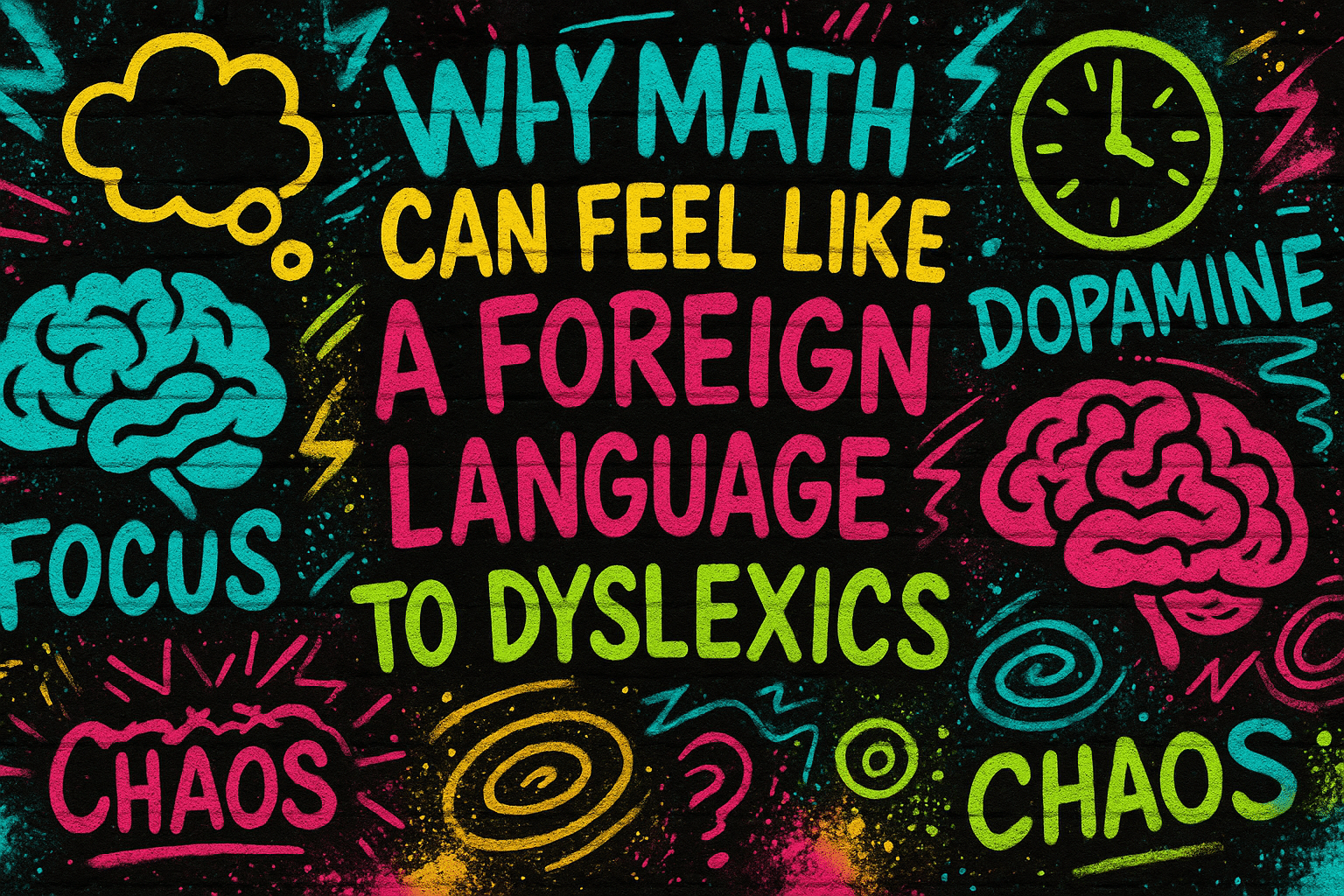
Why Math Can Feel Like A Foreign Language To Dyslexics
Have you ever stared at a calculator and wondered why numbers just don’t seem to click? In this podcast episode, we dive into that experience and explore how dyslexia and dyscalculia can make maths feel like a puzzle, missing crucial pieces. We also discuss how our relationship with numbers can shape our confidence and sense...
Listen to this episode
Why Math Can Feel Like A Foreign Language To Dyslexics
Follow the podcast and keep the next episode close.


Have you ever stared at a calculator and wondered why numbers just don’t seem to click? In this podcast episode, we dive into that experience and explore how dyslexia and dyscalculia can make maths feel like a puzzle, missing crucial pieces. We also discuss how our relationship with numbers can shape our confidence and sense of self-worth.
Another post on this is – Can you be number dyslexic?
If you’ve ever felt overwhelmed by daily arithmetic or stressed out by the hidden pressures of maths, this conversation will help you see you’re not alone. We talk about real-life strategies, ways to recognise your strengths, and why even small maths victories can change how you see yourself. Let’s explore these ideas and find new ways to make numbers friendlier.
Why Maths Can Feel So Awkward
For many of us with dyslexia or ADHD, maths lessons at school felt like a constant test of our abilities. Numbers didn’t behave the way words did. There was a sense that everyone else could keep up, yet our brains worked differently. We questioned our intelligence because we kept forgetting basic facts or mixing up numbers.
Maths can trigger emotions like frustration or even shame. You try a step-by-step approach, but the solution slips away just as you think you get it. This pattern becomes exhausting. The big lesson from our conversation is that none of this means you’re “bad with numbers.” You just need to learn how to decode maths in a way that plays to your strengths.
Real-Life Strategies for Understanding Numbers
Abstract concepts can feel like they’re floating in mid-air. Having practical, relatable examples can help bring them down to earth. If you’re struggling with basic arithmetic, try linking numbers to daily life. You might practise addition by working out the cost of shopping items or track the time it takes to complete a task. These real scenarios can bridge the gap between theory and reality.
Sometimes, it helps to step out of the traditional maths mindset. Use your hands, draw pictures, or utilise digital tools. Don’t be afraid to experiment. If you learn best by seeing or hearing, find resources that trigger those senses. One of the big messages in this podcast is that there isn’t a one-size-fits-all technique for people with dyslexia. Create a toolkit that actually speaks to you.
“Maths haunted me for years, but it was a matter of finding the right approach. Once you see the pattern, it’s like a lightbulb switching on.”
The Emotional Side of Dyscalculia
Numbers often come with a big side order of emotion. Mistakes in sums can stir up embarrassment. Getting left behind in class can lead to feeling ‘less than’ or that you’re not as capable as everyone else. Over time, this can chip away at your confidence.
Dyscalculia is more than just mixing up digits. It can affect how you process speed, recall maths facts, and visualise numbers. Feeling different or behind can lead to worry about things that others take for granted, like splitting a bill or telling the time without digital prompts. Yet, one miscalculation doesn’t define who you are as a person. Remember that dyslexia, ADHD, or dyscalculia often come with creative problem-solving skills - and those count for everything in everyday life.
Rebuilding Confidence and Discovering Strengths
Learning strategies definitely aren’t just for kids. As adults, we can adapt methods that work better for our brains. The Davis Dyslexia programme is one example. It focuses on hands-on activities, visual techniques, and emphasises understanding over rote memorisation. In essence, it gives you the mental toolkit to approach maths from a new angle.
Recognising your natural gifts also helps. Maybe you’re a creative thinker, an excellent storyteller, or someone who can read people’s emotions with ease. These are essential skills that can overshadow any daily maths mishaps. With time, small improvements in maths can ripple through other areas of your life. You might feel more at ease in meetings or approach your finances differently. The point isn’t to turn you into a maths genius but to let you see that those numbers aren’t as scary as they seem. Remember to check out can you be Dyslexic with numbers
If you can add, subtract, and spot budget gaps for your next project, you’ll be able to handle life’s basics. That may sound obvious, but for many of us, even a modest boost in clarity makes all the difference. You notice your mind relaxes and your self-talk shifts from “I’m hopeless with numbers” to “I’m getting there.”
The post I did on Can you be dyslexic with numbers? is here
- Maths can affect self-worth, especially if you grew up dreading it.
- We all have unique learning challenges - there’s no shame in that.
- Practical, real-life examples often help numbers make sense.
- Memory and processing speed can slow you down, but it’s not your fault.
- Small wins in maths can bring huge confidence boosts.
Ready to dive deeper? Check out the full podcast episode at the top of this page. There’s plenty more insight on how to decode maths, recognise your own strengths, and leave behind the anxiety that numbers can bring.
If you want more resources, visit truthaboutdyslexia.com. You can also join our Facebook group at facebook.com/groups/adultdyslexia to share experiences and get support. And if you’re curious about supplement options.
Recognise some of this?
Take the free quizSee which adult dyslexia traits feel familiar.
This short quiz is educational and gives you a useful next step.
Keep exploring this topic