
Truth About Dyslexia podcast
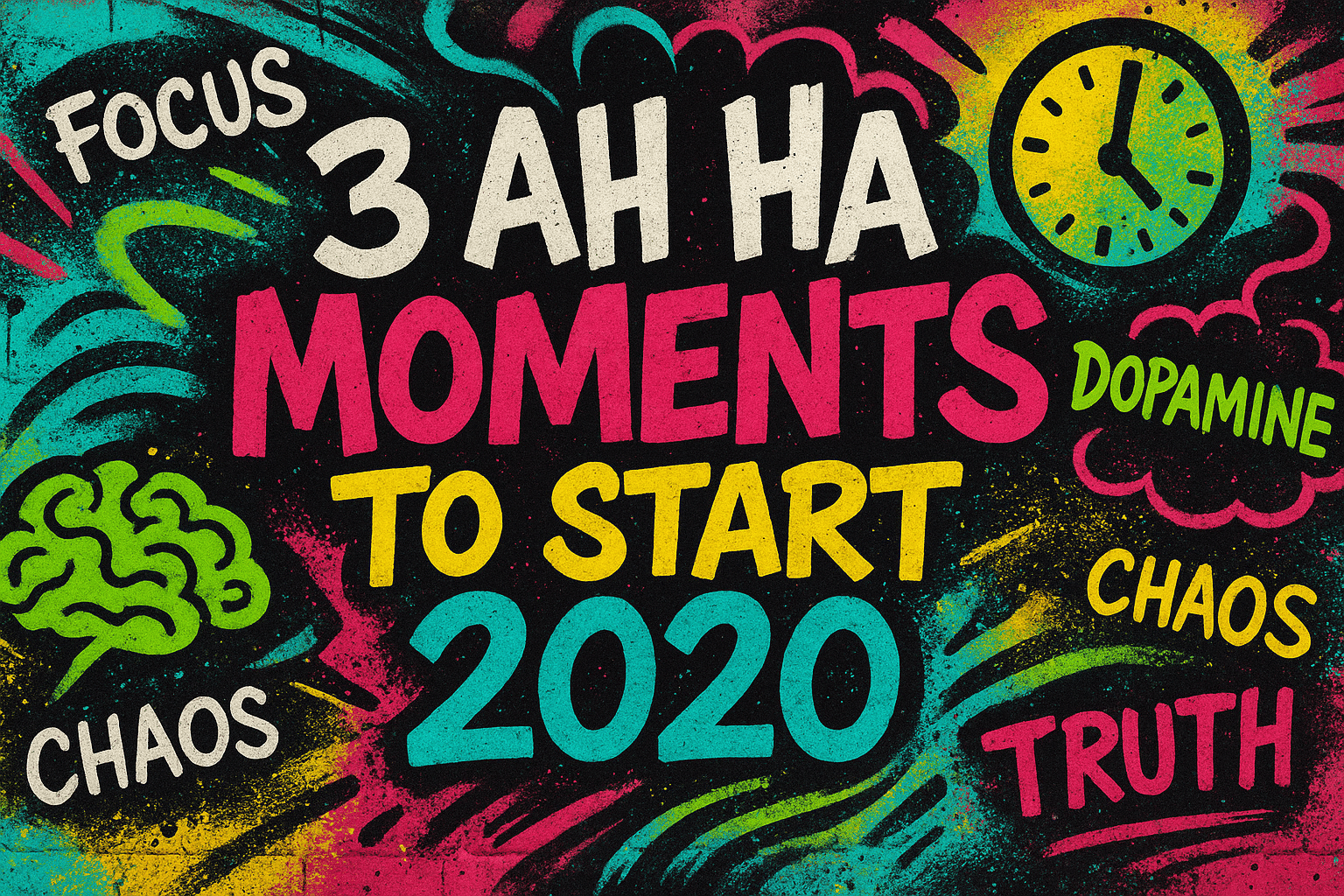
3 Ah Ha Moments To Start 2020
Have you ever started a new year feeling like you’re already sprinting at full speed? That’s exactly where I found myself as 2020 kicked off. In this podcast, I share what jumped out for me in the early weeks, hoping you’ll discover some direction or relief by hearing about my trials and triumphs. The episode...
Listen to this episode
3 Ah Ha Moments To Start 2020
Follow the podcast and keep the next episode close.


Have you ever started a new year feeling like you’re already sprinting at full speed? That’s exactly where I found myself as 2020 kicked off. In this podcast, I share what jumped out for me in the early weeks, hoping you’ll discover some direction or relief by hearing about my trials and triumphs.
The episode digs into how quickly life can ramp up, especially for those of us with dyslexia or ADHD minds. I reflect on missed steps, overdue tasks, and surprising wins. Sometimes it’s about seeing that even a whirlwind brings amazing opportunities if you’re open to them.
Why the Start of 2020 Felt Like a Roller Coaster
It all began with a rush of deadlines and urgent requests. My to-do list started to look more like a to-don’t list for the sake of sanity. I found myself questioning if I’d overcommitted. Between juggling new work projects and personal goals, there were days I didn’t know which way was up.
“One thing this experience taught me is that clarity doesn’t always show up on day one. Sometimes it tips its hat in week three…”
Finding a path in that chaos required a reminder that we’re allowed to slow down. It’s not about giving up on lofty aims. It’s about knowing when intense pace helps and when it’s time to breathe. This segment of the episode explores how I manage that tension with more acceptance than blame.
Developing Better Time Awareness
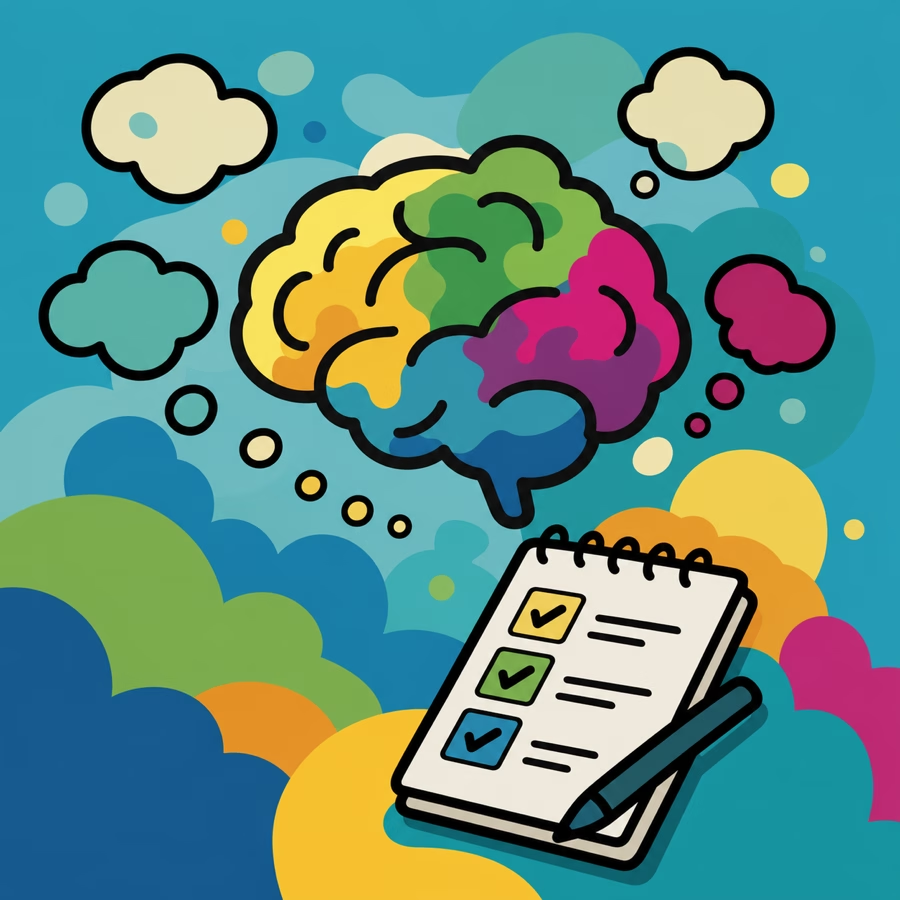
Time blindness is a real challenge in the dyslexia and ADHD community. It’s not just about losing track of an hour but losing entire chunks of a day. That’s the reason I’ve started picking tools and routines that give me visual reminders of progress. These small steps prevent me from falling behind or panicking when I sense the clock ticking away.
The episode highlights how trying new habits feels awkward at first. But refusing to try keeps us stuck. I’ve learned to:
- Use a physical planner with highlighter-friendly pages
- Set simple alarms on my phone paired with a short label
- Ask a trusted friend for a gentle check-in once a week
These actions might sound modest. Yet they’ve made a huge impact on my daily flow and sense of relief.
Balancing Personal Growth with Real Life
Most of us start the year with big plans: read more, eat better, or take up a hobby. Good intentions fade if we overload ourselves with everything at once. In the podcast, I talk about how I stumbled, especially when my mind jumped to new ideas every two seconds.
Instead of beating myself up, I tried to be realistic about what I could handle. Here’s a tip: choose one core habit that you know will shape the rest. For me, it was blocking out a daily 30-minute walking break. That single change had a knock-on effect on my energy, digestion, and problem-solving skills.
If you sense yourself slipping into self-criticism, remember that real transformation happens in small, steady steps, not marathons.
Recognising the Value of Reflection
One of the biggest shifts for me was scheduling time to write down my thoughts. That quick act of reflection offered perspective in an otherwise noisy brain. It’s easy to mistake frantic movement for genuine progression. Slowing down for just five minutes a day gave me a bird’s-eye view of what was going well and what needed a pivot.
In this segment, I also share the role community plays in helping us reflect and grow. A short voice note to a friend can spark insights you didn’t know you had. Being honest about struggles can be scary but also freeing. The episode features a few real-life examples of how I’ve asked for help when I needed it.
Overcoming early-year hurdles isn’t about having everything neatly planned. It’s more about learning to adapt on the fly and be kind to yourself. The key takeaway? Yearly goals are great if they’re flexible enough to shift when life happens.
- Embrace Experimentation: Try different tools or techniques to manage time.
- Set One Core Habit: Allow that to create a positive chain reaction.
- Reflect Regularly: Short daily check-ins keep you connected to what matters.
- Ask for Support: Community is a powerful ally.
When I stopped trying to be perfect, I started seeing hidden opportunities in the chaos. If your year has raced ahead of you, it’s not too late to pause and course-correct. Maybe a single change, like carving out a morning routine, can help you claim back a sense of calm.
Curious to hear all the details? Tune in to the full episode using the podcast player at the top of the page. There you’ll find more about my personal journey through the early part of 2020, plus practical strategies to keep you centred when life moves fast.
Recognise some of this?
Take the free quizSee which adult dyslexia traits feel familiar.
This short quiz is educational and gives you a useful next step.
Keep exploring this topic
Useful reading and listening for your next step.
Read next