Truth About Dyslexia podcast
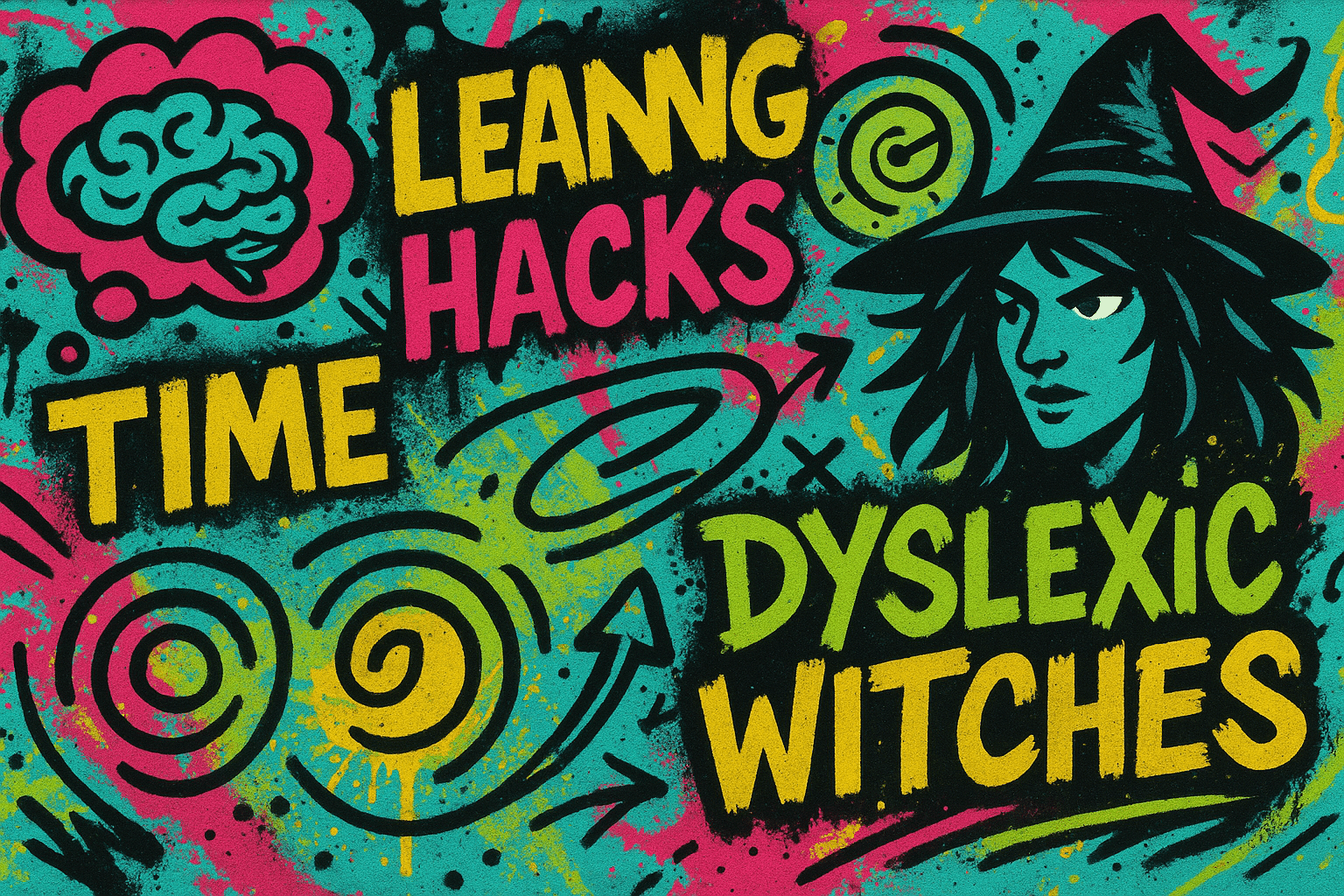
Concept Of Time, Learning Hacks & Dyslexic Witches With Martin Bloomfield
Ever wondered if time can feel like a swirling loop instead of a straight line? This podcast episode with Stephen Martin and Martin Bloomfield dives into that idea, along with a big-picture look at dyslexia and neurodiversity. They share how cultural differences affect our understanding of dyslexia, explore the power of play, and remind us...
Listen to this episode
Concept Of Time, Learning Hacks & Dyslexic Witches With Martin Bloomfield
Follow the podcast and keep the next episode close.


Ever wondered if time can feel like a swirling loop instead of a straight line? This podcast episode with Stephen Martin and Martin Bloomfield dives into that idea, along with a big-picture look at dyslexia and neurodiversity. They share how cultural differences affect our understanding of dyslexia, explore the power of play, and remind us that helping others often helps us too.
Throughout the chat, they bring out the need for personal growth and self-awareness in dyslexics. The conversation touches on how our brains don’t always follow a fixed path when learning and why it’s important to embrace that uniqueness. They highlight that dyslexia isn’t just about struggles; it’s also about uncovering hidden strengths.
Time as a Non-linear Experience
One of the first things they discuss is how dyslexics often perceive time differently. People who aren’t dyslexic might think time moves from point A to point B in a neat line. Dyslexics, on the other hand, may see it as snapshots jumping around in their heads.
“What if time doesn’t exist in a straight line for me? It’s more like snapshots swirling around in my mind.” - Stephen Martin
This fresh view can be wildly creative. It also means traditional scheduling and deadlines can be tough. Recognising how you interpret time could help you use methods that suit your style, rather than forcing yourself into a timeline that feels unnatural.
Cultural Perspectives and Defining Dyslexia
Cultures around the globe have their own ways of seeing dyslexia. Some societies have limited awareness, seeing it purely as a reading disorder. Others emphasise the creative side first. This leads to a big question: Who gets to define dyslexia?
Martin Bloomfield points out that pushing a single definition across different cultures can raise ethical issues. Each region’s language, schooling methods, and values might mean something different for a dyslexic’s daily life. That’s why it’s so crucial to recognise nuances and personal experiences when we talk about neurodiversity.
The Power of Playful Learning
Playfulness isn’t just for children. In fact, they talk about how dyslexics of all ages thrive when learning involves multiple senses at once. Movement, colour, music, or even role-playing can fire up more parts of the brain than staring at words on a page.
It might feel weird to turn a business presentation into a game or a skit, but that’s often how dyslexics can process information more effectively. The episode highlights that so-called “stupid” questions aren’t stupid at all. They’re gateways to deeper understanding.
Self-awareness and Personal Growth
We all have a unique wiring in our brains. Recognising what helps us learn can turn a painful experience into a personal win. If you like teaching others, look for chances to do that. If movement helps you focus, build it into your day. Leaning into strengths makes challenges more manageable.
They stress that dyslexia isn’t just a “deficit” label. It’s a blend of qualities that can fuel creativity, problem-solving, and empathy. The real magic happens when you accept it as part of who you are and channel it. This usually comes with a healthy dose of self-awareness and a willingness to laugh at your own quirks.
Helping Others Fuels Self-discovery
We often think helping others is completely selfless, but that’s not always the whole story. There’s a practical side to it. When you support someone else, you learn a lot about yourself - like noticing how you overcame a stumbling block or how you adapt to the needs of a friend.
And that’s perfectly fine. As they mention, helping others isn’t a zero-sum game. Everyone gains something. The trick is balancing your own growth with uplifting others, which creates a sweet spot between contribution and personal fulfilment.
Top Takeaways
- Dyslexics often experience time in non-linear ways - this can be a creative advantage.
- Cultural backgrounds shape how dyslexia is viewed and addressed.
- It’s ethically tricky to use one definition of dyslexia across the globe.
- Play and multi-sensory activities can supercharge learning for dyslexics.
- “Stupid” questions often lead to breakthroughs.
- Recognise both strengths and weaknesses to thrive with dyslexia.
- Dyslexia carries unique abilities that can be harnessed for personal success.
- Helping others nudges you to reflect on and refine your own strategies.
If you want to find out more, visit truthaboutdyslexia.com or join our Facebook community at facebook.com/groups/adultdyslexia. You can also check out the RightSiders supplement journey at rightsiders.org/wait-list.
Ready to dive deeper? Tune in to the full conversation using the podcast player at the top of this page. It’s packed with stories, insights, and tips to help you embrace your dyslexic superpowers.
Recognise some of this?
Take the free quizSee which adult dyslexia traits feel familiar.
This short quiz is educational and gives you a useful next step.
Keep exploring this topic