Truth About Dyslexia podcast
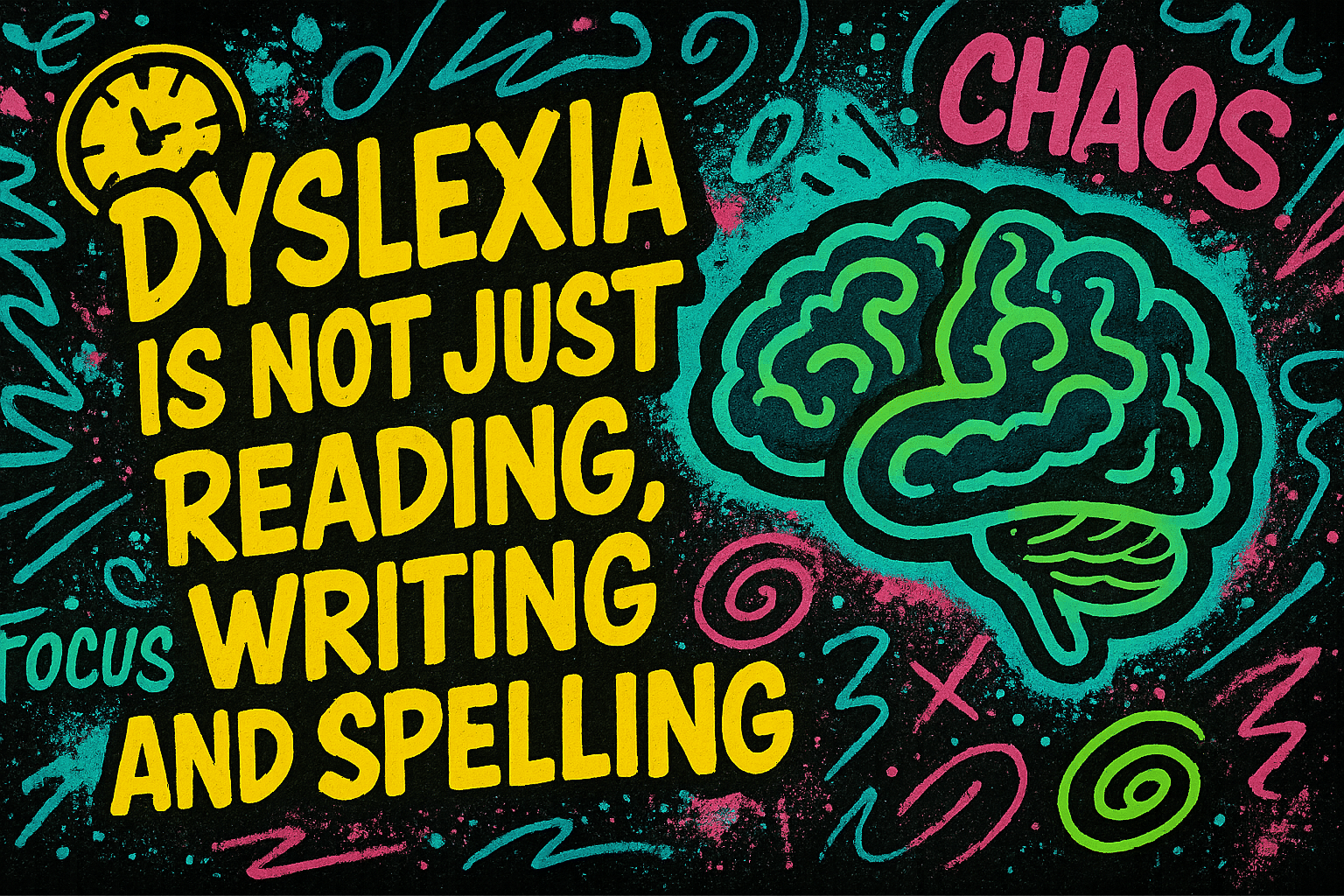
Dyslexia Is Not Just Reading, Writing And Spelling
Have you ever felt that dyslexia is misunderstood as just an issue with reading or writing? You’re not alone. In this episode of the Truth About Dyslexia, Stephen Martin reveals a deeper perspective on how dyslexia shapes how we think, learn, and connect with the world around us. If you’ve ever struggled with self-doubt or...
Listen to this episode
Dyslexia Is Not Just Reading, Writing And Spelling
Follow the podcast and keep the next episode close.


Have you ever felt that dyslexia is misunderstood as just an issue with reading or writing? You’re not alone. In this episode of the Truth About Dyslexia, Stephen Martin reveals a deeper perspective on how dyslexia shapes how we think, learn, and connect with the world around us. If you’ve ever struggled with self-doubt or wished for a clearer understanding of your learning style, Stephen’s insights will make you feel heard and supported.
Drawing from his own experiences, Stephen explains that dyslexia isn’t limited to “technical difficulties” with spelling. It’s about cognitive processes that set many of us apart, especially those who think in pictures instead of words. This episode is all about real-world support and empowerment, showing us that when we embrace how our minds naturally work, our potential is limitless.
Dyslexia Is Bigger Than Spelling
Dyslexia often gets labelled as a reading problem. That’s part of the story, but it doesn’t capture everything. Dyslexia affects how we process information, how we communicate ideas, and even how we solve problems in everyday life.
Stephen reminds us that each dyslexic person has a distinct mind. The classic spelling and reading challenges might show up, but that’s not the whole picture. We also have empowering strengths and untapped abilities waiting to be discovered.
“Dyslexia is about so much more than just reading, writing, and spelling.”
That simple truth can change how we view ourselves. Accepting the broader impact of dyslexia means we stop limiting our potential to the myths and stereotypes and start focusing on what we do best.
Visual Thinking & Hands-On Learning
Many dyslexics have a strong inclination towards visual thinking. It’s like we have a movie playing in our heads while others see lines of text. It can be a superpower in problem-solving, creativity, and even daydreaming brilliant ideas into life.
Stephen touches on the importance of hands-on learning for dyslexics. Traditional classroom methods don’t always suit this style because we learn better through action. Imagine physically assembling a puzzle instead of reading instructions. We turn concepts over in our minds, merging imagination with real objects to make sense of complex tasks.
This visual advantage also paves the way for outside-the-box thinking. Whether it’s redesigning your home workspace in your head or brainstorming projects at your job, our ability to see images in our mind’s eye can lead to amazing outcomes.
Self-Awareness & Personal Growth
Knowing you’re dyslexic can feel like a relief. It offers clarity about why you excel in certain areas and struggle in others. For Stephen, realising he was dyslexic allowed him to appreciate his unique blend of talents, like big-picture thinking and creative flair.
Self-awareness isn’t just about identifying weaknesses - it’s about celebrating strengths. If you see yourself as someone who thinks differently, you can look for creative problem-solving roles or tasks that play to your advantages. Feeling comfortable in your own brain can boost self-confidence and help you find your path.
But perfectionism can loom, especially when we rely on our visual minds. We want what we see in our head to come out exactly right. Stephen talks about getting stuck in the details, which can lead to procrastination. Knowing this pattern can help you navigate it more effectively, whether that means asking for help or breaking tasks into small steps.
The Power of Community
Managing dyslexia as an adult can feel isolating if you don’t have the right support. This is why Stephen’s podcast isn’t only about sharing information - it’s about building a community of dyslexic adults who get it. We’re all on this journey together, and there’s so much strength in numbers.
A supportive environment, both offline and online, can make a huge difference. People who understand your experiences are more likely to offer empathy and practical tips. Whether you’re seeking advice on career moves or just need a space to vent, there’s nothing like a network of people who speak your “language.”
Stephen’s message is clear: By coming together, we can share insights and strategies to help each other thrive. Dyslexia doesn’t define us - it’s one part of a multifaceted identity that deserves to be respected, understood, and nurtured.
Key Takeaways
- Dyslexia extends beyond spelling and reading.
- Visual thinking can be a powerful cognitive strength.
- Hands-on learning methods often work best for dyslexics.
- Embracing our unique minds fosters self-awareness and confidence.
- Community support can transform isolated struggles into communal victories.
Struggling with reading, writing, or memory challenges that others seem to breeze through? Our comprehensive adults with dyslexia test offers a breakthrough moment for thousands who’ve spent years wondering if their brain works differently. This quick dyslexia examination, built from real experiences of adults with dyslexia, cuts through confusion with targeted questions about everyday struggles you might have dismissed as personal failings. Unlike generic dyslexia testing for adults, our quiz delivers personalised insights that help you understand your unique cognitive patterns, complete with tailored strategies. Whether you’re ready to put a name to lifelong challenges or simply curious about why certain tasks feel inexplicably difficult, this confidential adults with dyslexia test tool transforms self-doubt into self-awareness and for many, that’s the first step toward unlocking their true potential.
Ready for a deeper dive? Tune in to the full episode and discover what it really means to “think in pictures.” Stephen’s personal stories and practical tips will give you a fresh perspective on dyslexia and how to tap into your true strengths.
If you want to find out more, visit truthaboutdyslexia.com.
Also, be sure to join our Facebook Group at facebook.com/groups/adultdyslexia where you can share experiences and connect with others who get it.
Recognise some of this?
Take the free quizSee which adult dyslexia traits feel familiar.
This short quiz is educational and gives you a useful next step.
Keep exploring this topic