


Truth About Dyslexia podcast
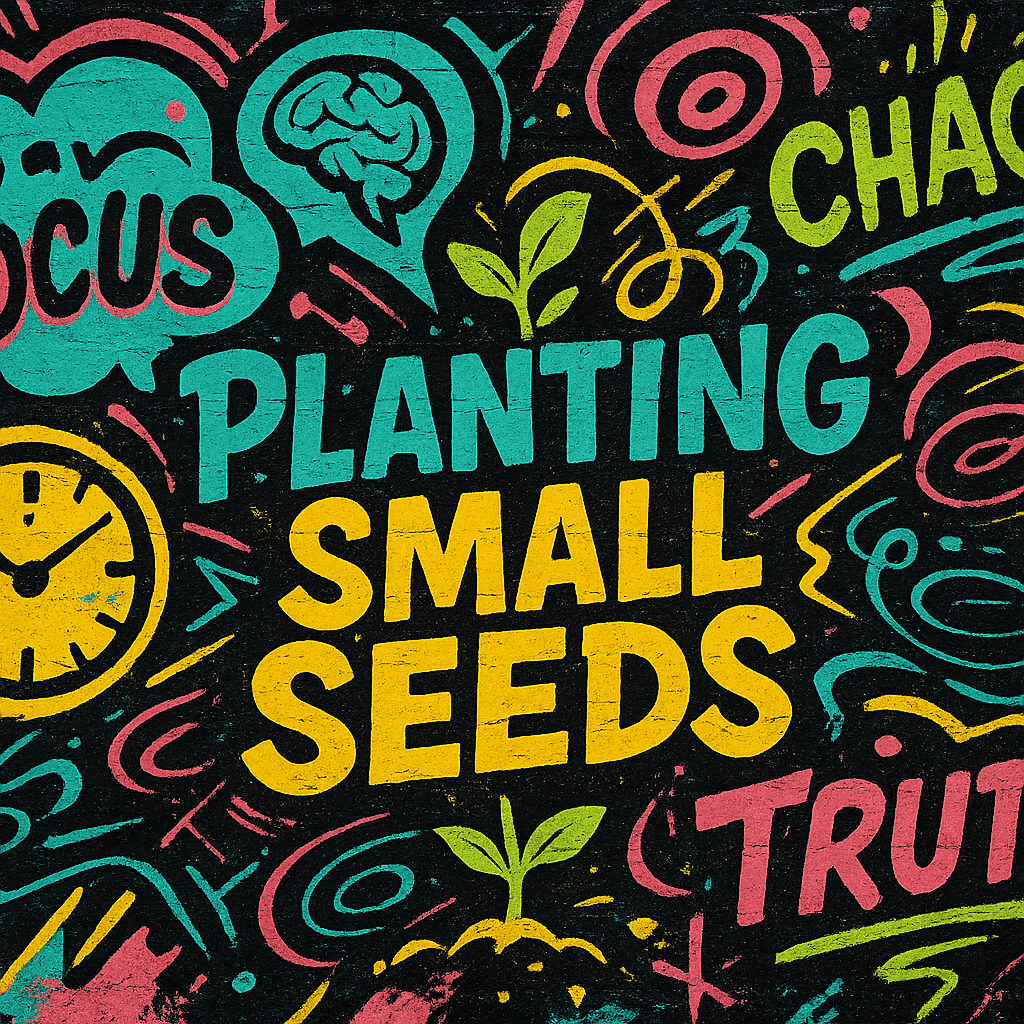
Planting Small Seeds
Have you ever caught yourself daydreaming about a grand vision but had no clue how to make it real? You’re not alone. In this episode, I shared some insight on tapping into that big emotional objective, without getting overwhelmed along the way. We talked about the importance of self-awareness, especially when you have a dyslexic...
Listen to this episode
Planting Small Seeds
Follow the podcast and keep the next episode close.


Have you ever caught yourself daydreaming about a grand vision but had no clue how to make it real? You’re not alone. In this episode, I shared some insight on tapping into that big emotional objective, without getting overwhelmed along the way.
We talked about the importance of self-awareness, especially when you have a dyslexic brain that loves hopping from idea to idea. You’ll discover simple ways to break down those massive goals, acknowledge your unique thinking style and craft a plan that doesn’t leave you paralysed. If you’re feeling stuck or uncertain, it’s worth a listen.
Understanding Your Emotional Vision
Everyone has dreams. For many dyslexics, those dreams are huge and exciting. But turning them from thought bubbles into something real can feel like climbing a mountain. The trick is to spend time thinking about why you want that vision.
Ask questions like: What motivates me and which parts of my dream spark the most joy? Understanding your emotional vision gives you a reason to keep going when obstacles show up. This is your motivational fuel.
Breaking Big Goals Into Smaller Steps
Tackling a massive goal all in one go can make you want to run and hide. That’s why chunking big targets into small tasks is essential. Not only does it lighten the load, it also shows you progress more quickly, and that’s a real confidence boost.
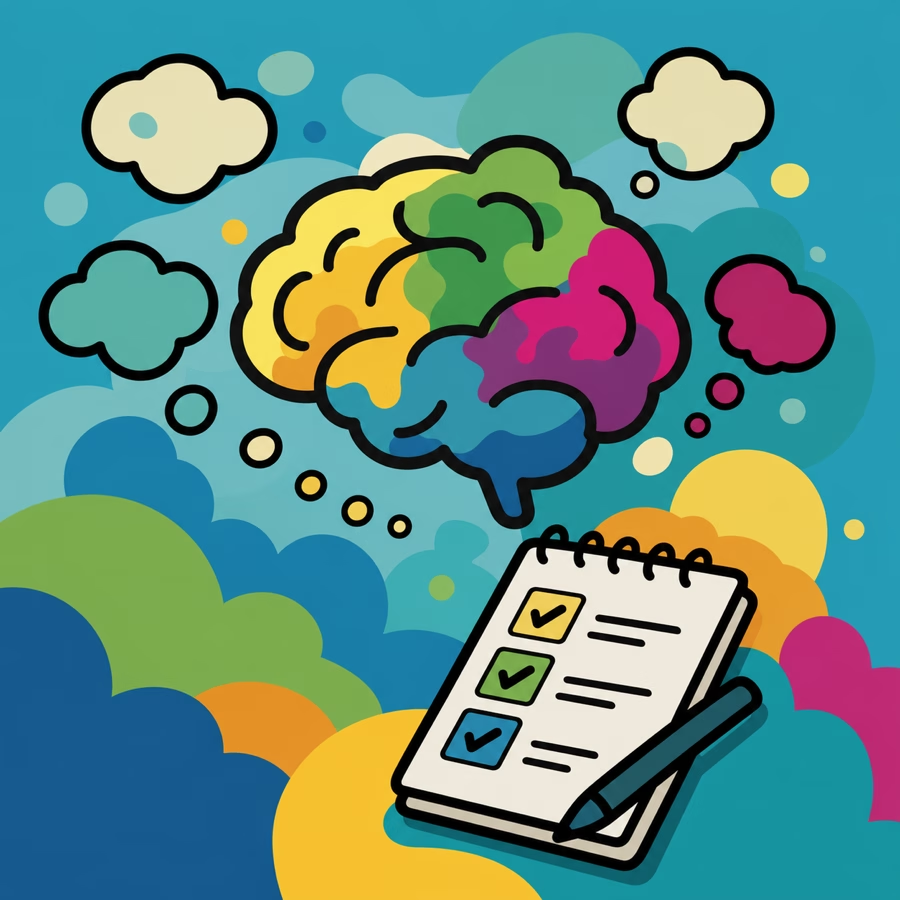
I often say write down your big goal at the top of a page, then list out every tiny step you’ll need to take:
- Brainstorm tasks in no particular order
- Group similar items together
- Choose a small step to start with
- Celebrate each time you complete something
When you can see your steps in front of you, they suddenly look more doable. This makes it less stressful to get started.
Dealing With Overwhelm
Let’s be honest, life can feel like an ever-growing list of things to do. Throw in your big dream, and that mental clutter quickly multiplies. One way to reduce overwhelm is to schedule in mini time-outs. These breaks give your active mind a moment to reset.
As I shared during the podcast:
“It’s not about ignoring your goals. It’s about giving your mind space to breathe so you can come back fresh and refocused.”
When you notice your brain spiralling, step away from the task. Stretch, grab a glass of water or simply sit in silence for a minute. You’ll often return with a clearer perspective.
Recognising Personal Strengths
Planning your future isn’t just about what you need to do; it’s also about recognising what you already bring to the table. Dyslexic adults often excel at creative thinking and spotting patterns that others miss. These skills can be massive assets.
Write down a few things you do well. Are you great at storytelling, problem-solving or brainstorming? When you know this, you can focus your energy on the tasks that align with your strengths and allow others to help out with the rest. Collaboration isn’t weakness; it’s a superpower.
Some Key Takeaways
- Start by clarifying the real driving force behind your vision
- Break big goals into small, manageable steps
- Schedule mini time-outs to keep overwhelm in check
- Recognise and leverage the strengths that come with dyslexia
Ready to learn more? I’ve only scratched the surface in this blog. Listen to the full episode to hear more stories and tips on embracing your dyslexic mind, setting realistic milestones and staying motivated through every twist and turn. You’ll find the podcast player waiting for you, so hit play and let’s tackle those big dreams together.
Recognise some of this?
Take the free quizSee which adult dyslexia traits feel familiar.
This short quiz is educational and gives you a useful next step.
Keep exploring this topic