
Truth About Dyslexia podcast
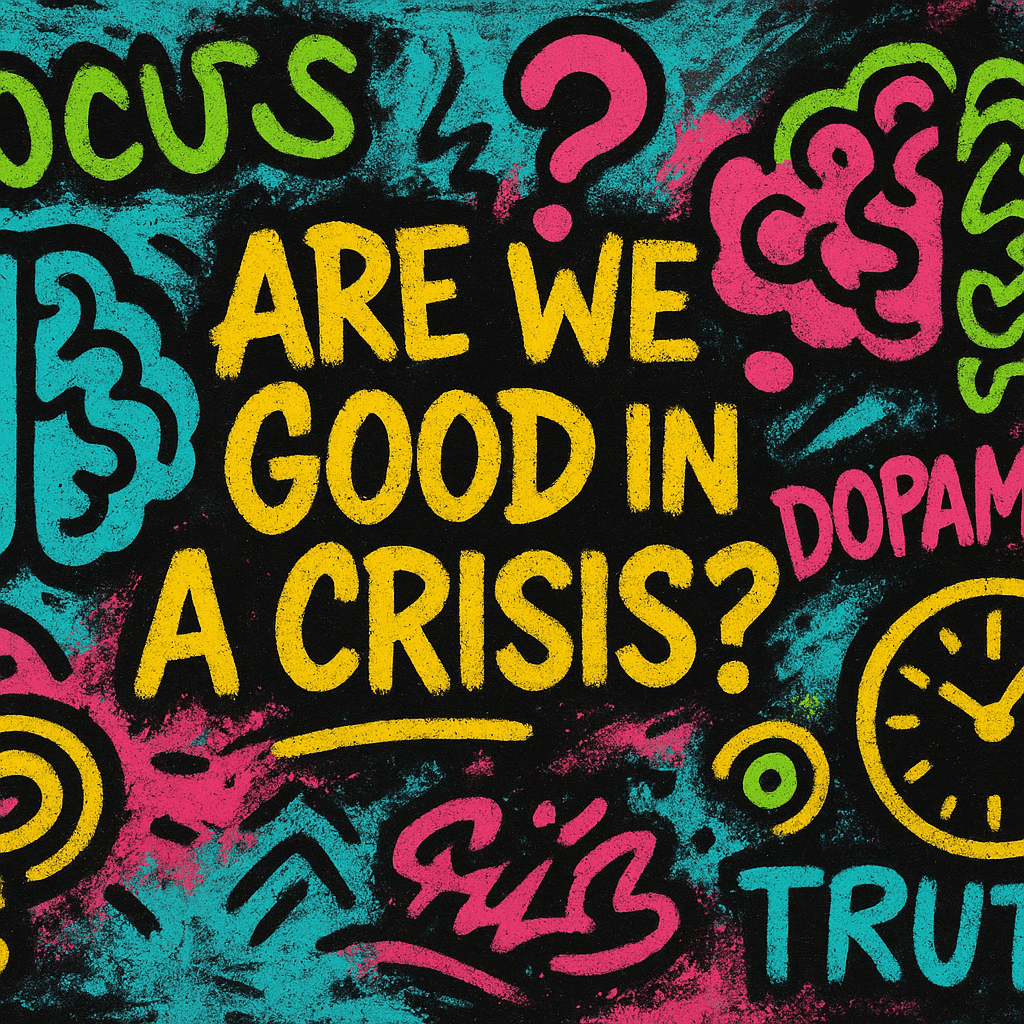
Are We Good In A Crisis?
Do you ever feel a little more alive when things get hectic? If you have dyslexia or ADHD, you’re not alone. In this episode, Andrée Kenny takes us through how these differences can turn everyday brains into crisis-ready superpowers. We explore why some neurodivergent folks tend to shine under pressure and how these traits can...
Listen to this episode
Are We Good In A Crisis?
Follow the podcast and keep the next episode close.


Do you ever feel a little more alive when things get hectic? If you have dyslexia or ADHD, you’re not alone. In this episode, Andrée Kenny takes us through how these differences can turn everyday brains into crisis-ready superpowers. We explore why some neurodivergent folks tend to shine under pressure and how these traits can be both a gift and a challenge.
Many of us have spent years tackling daily tasks that feel like climbing mountains. From personal stories to seasoned research, this conversation highlights resilience, innovative thinking, and the power of staying calm when everyone else hits panic mode. If you’re curious about practical strategies and support, you’re in the right place.
Dyslexia, ADHD and Thriving in Crisis
When most people hear “crisis,” they might picture confusion or fear. Yet individuals with dyslexia or ADHD often see something more like a puzzle that needs a quick, creative solution. That spark of adrenaline can sharpen focus, giving you an unusual ability to see unexpected ways forward.
As Andrée points out, these “brain wiring” differences aren’t uniform. Some dyslexic or ADHD minds might love the rush, while others prefer a calmer approach. Still, those who navigate everyday life with these conditions often find crises less intimidating because they’re used to thinking outside the box.
“You never know how creative you can be until everything is falling apart.” – Andrée Kenny
Harnessing Adrenaline and Dopamine
Why do some of us crave the rush? The science often points to dopamine. Because neurodivergent brains may seek higher levels of stimulation, crises create the perfect environment for problem-solving energy.
This is where that natural resilience emerges. We learn to adapt to everyday ups and downs, so stressful situations are almost familiar territory. These moments can reveal skills you didn’t realise you had, like lightning-fast thinking or an uncanny ability to stay calm when everything feels chaotic.
Calm in the Chaos
Have you ever noticed that not everyone goes into panic mode when life feels topsy-turvy? Some individuals with dyslexia and ADHD seem to remain grounded. It’s like their brains are saying, “We’ve got this,” even if they can’t explain why.
But let’s be real: not every neurodivergent person reacts the same way. Some struggle in high-pressure conditions. The important takeaway is that our brains aren’t broken, they’re simply wired to function differently. Recognising that wiring is key to owning our strengths.
Community and Mindfulness
One of the biggest game-changers is mindfulness. Andrée’s work with adults seeking support for dyslexia, ADHD, and autism focuses on practical techniques. Simple breathing exercises or short mental check-ins can keep the nervous system calm. So when the next crisis hits, you’re aware of your body’s signals and better equipped to handle stress.
Sometimes, being part of a supportive community is invaluable too. Connecting with people who get it helps you realise you’re not “too scattered” or “too sensitive.” You’re simply wired differently. Sharing personal experiences or mindfulness tips can help everyone find balance.
- People with dyslexia and ADHD often excel in crisis mode.
- Adrenaline and dopamine can fire up colourfully creative thinking.
- Resilience is built from overcoming everyday challenges.
- Mindfulness can ground scattered thoughts and lower stress.
- We all bring unique strengths to the table.
Want to dive deeper? Listen to Andrée Kenny’s full conversation (podcast player above) and explore more insights. You’ll hear personal stories and discover how to harness your own “wired differently” powers.
Find out more about Andrée Kenny: https://andreekenny.com
Looking for more dyslexia insights? Visit truthaboutdyslexia.com
Join our community: facebook.com/groups/adultdyslexia
Recognise some of this?
Take the free quizSee which adult dyslexia traits feel familiar.
This short quiz is educational and gives you a useful next step.
Keep exploring this topic