
Truth About Dyslexia podcast
Creating Stories About Others.. (And How To Stop)
Ever notice how your brain likes to invent wild scenarios? Sometimes it conjures up all sorts of “facts” that feel real but turn out to be pure fiction. This can lead to anxiety, misunderstandings, and even lost friendships. In this episode of Truth About Dyslexia, we explore how our minds get stuck in loops, spinning...
Listen to this episode
Creating Stories About Others.. (And How To Stop)
Follow the podcast and keep the next episode close.


Ever notice how your brain likes to invent wild scenarios? Sometimes it conjures up all sorts of “facts” that feel real but turn out to be pure fiction. This can lead to anxiety, misunderstandings, and even lost friendships.
In this episode of Truth About Dyslexia, we explore how our minds get stuck in loops, spinning tall tales from tiny details. We also discuss what you can do to break free of these stories and avoid misunderstandings. Let’s dive in.
Why Our Minds Make Up Stories
Our minds crave certainty. When we lack information, we fill in the blanks with our best guesses. This guesswork sometimes becomes a clever strategy to keep us comfortable, but it can also trap us in false assumptions.
Your brain wants to protect you, so it tries to predict what might happen next. If the data is missing, it’ll still try to connect the dots. That’s not always a bad thing, but it can lead to scenarios that simply aren’t true.
“Your mind loves to fill in the blanks. If there’s no data, it’ll still make a guess – so watch out for that!”
How These Stories Affect Anxiety and Relationships
When you believe your brain’s unverified stories, you carry stress that isn’t grounded in reality. If a friend doesn’t text back, you might think they’re upset, ignoring you, or bored with the friendship. Meanwhile, they could be busy or sleeping.
This kind of thinking strains relationships because you might react based on a made-up storyline. The real message never gets through, and confusion builds. Seeing this pattern early can stop things escalating.
Spotting Untrue Stories Early
It helps to pause whenever you feel uneasy about a situation. Ask yourself: “What evidence do I have for this worry?” If you forgot to respond to a message yesterday, you know that sometimes life gets in the way.
Naming your assumptions is powerful. When you label an anxious thought as a potential story, it loses some of its hold on you. It won’t vanish straight away, but you’ll be more aware that this might not be the truth.
Try asking:
- Is this scenario based on actual facts?
- Could there be a different explanation?
- Am I mistaking a feeling for reality?
Practical Exercises to Tame Your Mind
You don’t have to settle for the tales your mind cooks up. There are simple practices that help you stay grounded and calm.
Give these a try:
-
Write It Down
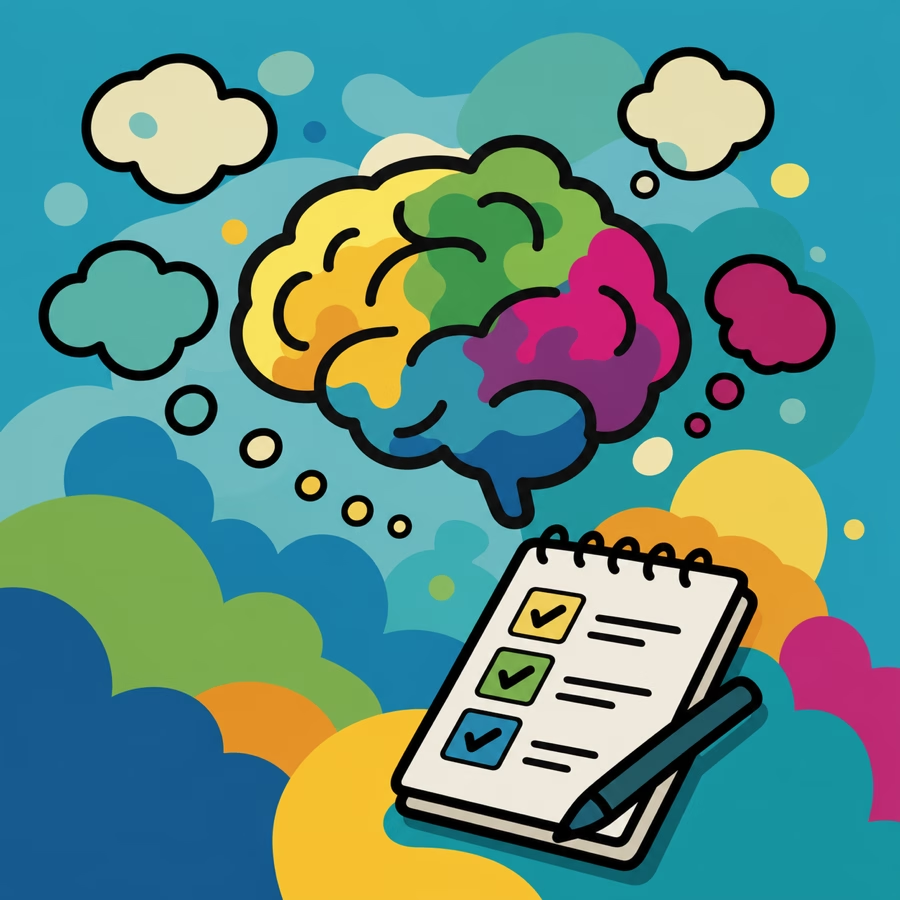
Jot your thought in a notebook. Seeing it on paper reveals just how much detail you’re guessing. -
Breathe
Close your eyes, take five deep breaths, and remind yourself that you don’t have all the facts yet. -
Get a Second Opinion
An outside voice can offer a different angle. Friends, family, or a support group are great reality-checkers. -
Challenge the Story
If you believe a friend is angry, test it gently. Send a friendly message or pick up the phone. Simple, direct contact can clear up confusion fast.
Small habits like these can rein in those runaway thoughts, so you’re not jumping to conclusions that damage your peace of mind.
Takeaways
- Our brains fill in gaps with guesswork.
- False stories often fuel anxiety and misunderstandings.
- Pause to question your assumptions and collect real data.
- Journaling, mindful breathing, and checking facts are practical ways to regain clarity.
If you’d like to hear more tools and experiences related to spotting untrue stories, listen to this episode of Truth About Dyslexia at the top of the page. It’s a short, honest discussion that might help you see your assumptions more clearly.
Recognise some of this?
Take the free quizSee which adult dyslexia traits feel familiar.
This short quiz is educational and gives you a useful next step.
Keep exploring this topic