Truth About Dyslexia podcast
The Power of Words for Dyslexics: Why One Phrase Can Change Everything
The words we use can carry pictures, memories and emotions. I share why changing one label helped me build a more consistent habit, and how to spot the phrases that may be quietly working against you.
Listen to this episode
The Power of Words for Dyslexics: Why One Phrase Can Change Everything
Open this episode in Spotify

Follow the podcast and keep the next episode close.
What you will take from this episode
- A word can bring up a vivid picture, memory or emotional reaction before we consciously notice it.
- The dictionary definition of a word is not always the meaning our own brain attaches to it.
- If a label makes you feel wrong, guilty or boxed in, it may be worth trying a more useful one.
- The aim is not to find the perfect word. It is to find language that helps you stay engaged and consistent.
- Pay attention to the small phrases that make you switch off, avoid something or feel tense.
When a perfectly normal word feels loaded
Have you ever heard a word that seems harmless to everyone else, but something in you just tightens? You might not even be able to explain why. Your brain has already attached a picture, a memory or a feeling to it.
That is what I mean when I talk about the power of words for dyslexics. The technical definition of a word is one thing. The visual and emotional meaning we carry around with it can be something completely different.
I have found that many of us with dyslexia are very good at connecting words to pictures. Sometimes it is a still image. Sometimes it is a little movie playing in our heads. Either way, the emotional response can arrive before we have had time to logically go, hang on, what does this word actually mean to me?
This is not exclusive to dyslexic people. Everyone has associations. But from what I have noticed in myself and other visual thinkers, the connection can feel particularly strong, detailed and sticky. That matters, because the words around our goals, work, health and relationships can affect whether we lean in or quietly pull away.
My association with the word authority
A good example for me is the word “authority”. If you ask someone what authority means, they may give you a straightforward definition about leadership, responsibility or the right to make decisions.
My brain did not go there first. For years, authority brought up police officers. I had a memory from when I was younger, probably involving something stupid and driving, and that picture had stuck. It came with the feeling of having done something wrong.
So when people spoke about respecting authority, or becoming an authority in an area, part of me could react as though I was being told off. Not because that was what they meant, but because that was the emotional picture my mind had attached to the word.
Once I noticed it, I could see the gap. Authority is not automatically someone looking down on me. It can be useful leadership in a country, a community group, a sports team or a business. It can also mean becoming more confident in your own knowledge. But I could not see those options clearly while one old picture was doing all the talking.
Try not to judge yourself for it. These associations are often old, fast and below the surface. Simply noticing them gives you a bit more choice.
You can find more conversations like this in the adult dyslexia podcast.
Why “cheat day” never worked for me
I have been finding a way of eating that feels sustainable for me. The key word there is sustainable. I know from experience that being overly strict can become mentally exhausting, and eventually I push back against it.
One idea I had tried before was a “cheat day”, where there is a day each week with more flexibility. On paper, that phrase is common. But I never liked it, and I could not quite work out why.
When I heard “cheat”, my mind did not picture flexibility or enjoyment. It went straight to cheating at a school test, looking over someone else’s desk, doing something wrong, or even the idea of cheating in a relationship. The word carried guilt for me.
I was not necessarily consciously thinking all that every time I heard the phrase. That is the sneaky part. It was more like an uncomfortable emotional bubble underneath it. But if I associated the plan with being a cheater, why would I want to keep doing it for the long term?
For more on building changes that fit a dyslexic brain, have a listen to Creating Change for Dyslexics episode.
The reframe I chose, and why it mattered to me
As part of my own approach, I wanted to reduce highly processed foods and very refined sugary products most of the time. I still wanted a regular window where I could enjoy those foods without pretending they were something they were not.
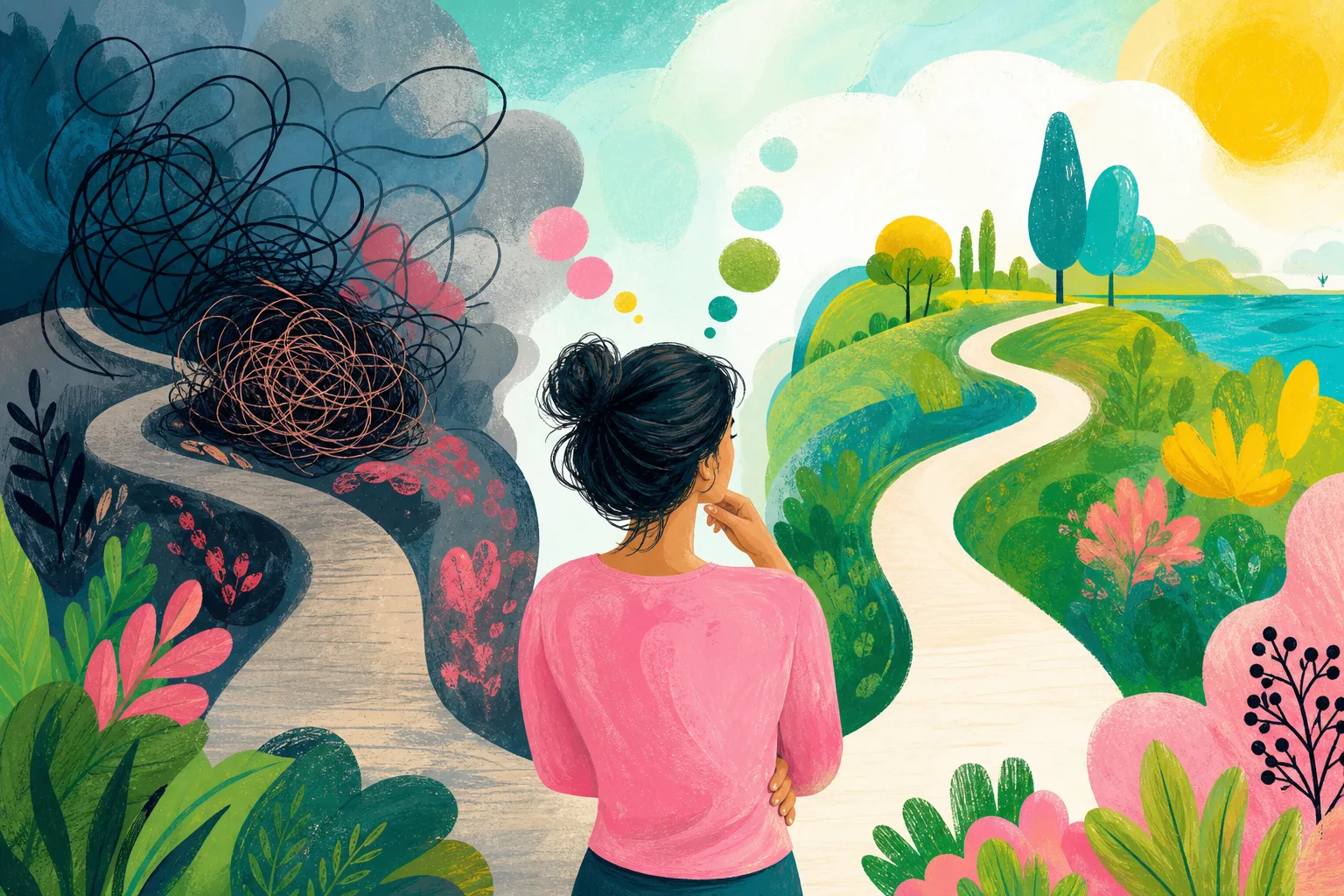
So I stopped calling it a cheat day. For me, I started calling it a “drug day”. Yes, it gets a few funny looks. But it changed the picture in my head.
My personal association with drugs is not simply negative. I think of them as things that can have an effect, that need care and boundaries, and that you do not want to overdo. That framing made more sense to me than the shame loaded into “cheat”. It made the pattern feel clearer: most of the week I eat in a way I feel good about, and one day I allow some things I enjoy.
This is not me telling you to call your flexible eating day a drug day. Definitely do not copy a label just because it happened to click for me. The useful bit is the process: notice the emotional charge in a word, then test a different phrase that feels more honest and more helpful to you.
For someone else, “flex day”, “choice day”, “social meal” or something completely different may fit better. The right phrase is the one that helps you follow through without creating an internal fight.
Find the little word mines in your life
I think of these loaded phrases as little word mines. They sit there quietly until someone says them, or until we say them to ourselves, and then boom, an old emotional reaction goes off.
A to-do list might feel like a wall of pressure. But “visual planner”, “picture board” or “today’s three things” might feel more workable. “Exercise” might bring up school sport and embarrassment, while “getting outside” or “moving my body” could feel less heavy. The phrase itself is not magic, but it can change the doorway your brain walks through.
You might notice this at work too. Maybe “feedback” sounds like criticism. Maybe “networking” feels fake. Maybe “budget” makes you think restriction, even when what you really want is clarity. Write down the first picture, memory or body feeling that comes up. You do not have to solve it immediately. Just get curious about it.
A simple experiment is to choose one phrase you keep avoiding. Ask yourself: what do I picture when I hear this? What emotion comes with that picture? Where might that association have come from? Then try two or three replacement labels for a week and see which one gives you more energy, not less.
If you are still working out whether dyslexia could be part of how you process language and everyday life, the free adult dyslexia quiz is a useful educational starting point.
Use language that gives you room to move
This is not about positive thinking your way out of every hard thing. Some words will still carry real history. Some reactions may need more support and a deeper conversation than a simple reframe can provide.
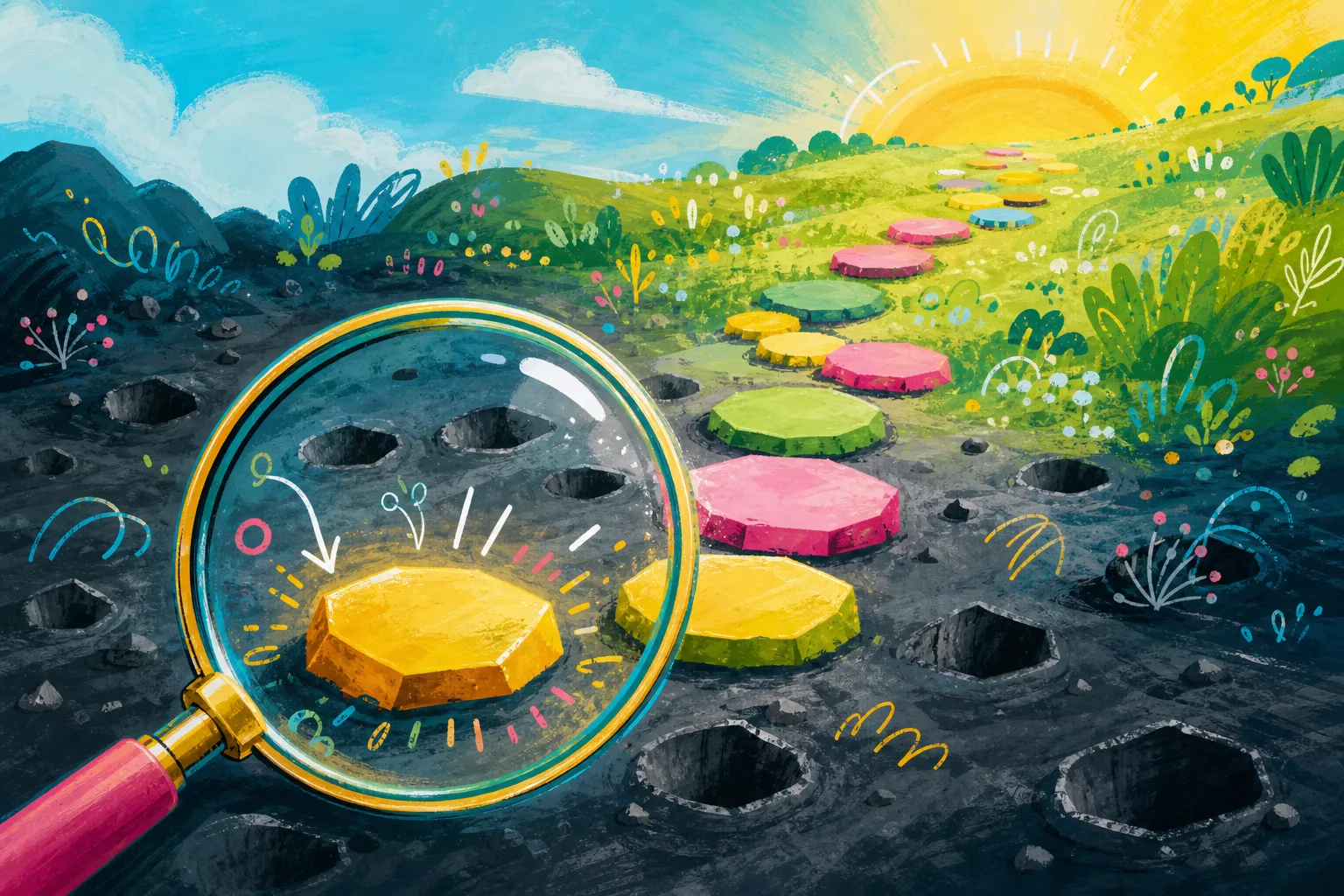
But I do think it is worth taking seriously when your language is quietly making life harder. We often try to force ourselves through resistance, when a small shift in wording could reduce some of that friction.
For me, the aha was realising that the definition in the dictionary was not the whole story. My internal picture mattered too. Once I could see it, I had more freedom to choose a phrase that supported the behaviour I wanted to keep doing.
If this has made a few things click, you may also get something from I Know, I Know… Stop Telling Me That episode.
If you want more honest conversations about adult dyslexia, ADHD and the way right-brained minds experience everyday life, browse the Truth About Dyslexia podcast library.
Start with one word this week
Pick one word or phrase that makes you feel a bit flat, guilty, pressured or defensive. Do not overcomplicate it. Notice the picture your brain gives you, then ask whether that picture is still serving you.
You are not trying to talk yourself into something false. You are looking for language that is accurate, kinder and easier for your particular brain to work with. One small reframe will not fix everything, but it might make the next step feel possible.
Read the full episode transcript
Hey everybody, Stephen here from the Truth About Dyslexia. In today's episode, I want to talk about the power of meaning. And what that means is when we're thinking about words, what the actual definition is versus our visual, emotional picture of it. And I'm going to explain this to you with a few examples. This is a real powerful one. You're going to love it.
Let's dive in. Okay, I'm going to do my best to get this one across, guys, because it's so important. You may have heard parts of this in other podcasts because it's just such an important point for dyslexics to realize, which is really the power of words. Now, if you want more information on this, search through the old website search function. There's a podcast search on truthaboutdyslexia. com, and you can find some more stuff about trigger words, which was a Davis Dyslexia principle.
And it's really, it's a real aha moment for meaning, but I'm not going to dig too deep into that. What we're going to go into today is we're going to talk about how, as dyslexics, we're very good at applying emotion and pictures to definitions. Now, the example I always use is if I say the word authority to you, what is your definition of that as a dyslexic? Or if you're not a dyslexic, what's your definition of the word authority? Now, you may have a specific definition, but when it comes to dyslexia, a lot of the time what happens is if I ask you that, you're picturing something, be it a little running movie in your head, or maybe it's a specific picture, whatever it looks like to you is right. But we're very visual thinkers.
So when I used to say that, my picture was always police officers. That was what authority meant to me. I'm pretty sure back when I was younger, I did something stupid, probably involving driving, and I've got a picture of the police in my mind that is emotionally scarred into me to that definition. So when people talk about authority in different ways or different contexts, I still have this emotional reaction to it of, like, the police, do you know what I mean? Like, you've got to respect authority, and I just automatically emotionally connect to police and whatever was going through my body at the time. Now, this is a really powerful thing to click with, and don't get me wrong, majority of people do this to some extent.
When it comes to dyslexia, though, it can be really heightened, is what I've seen. And a good example is, like, I'm going on my kind of health journey at the moment and trying to find my way forward, and I'm doing really well. I'm really enjoying it this year. I'm really loving it, actually, and seeing, already seeing the results I want. And I found a, let's just say, a consistent way to do it that's working for me that isn't too mentally taxing, which is usually where I break. So the thing I've learned about this, though, is one of the, I'm basically, I love to bring a bunch of methodologies together.
It just, it's how I work. It's what I enjoy in life. I like to, you know, I like when I get a recipe to add some of my own flavor. I do the same when it comes to fitness and stuff. I've taken a bunch of really great work of people and fit it to my lifestyle. Now, one of the things they talk about that I wanted to fit in was this concept of a cheat day, where one day a week you can eat whatever you like.
You know, there are different beliefs that it helps your metabolism, not think that you're starving, or, you know, it gives enough alteration to your diet week that it works for you. And for someone like me, I like the idea of mixing it up with that. Like, if I'm going to do this for the long term, to go on a very strict diet doesn't work for me. I just, at some point I will break. This kind of allows a release valve each week. But over the years, I've tried this before and it hasn't worked.
I've usually gone off on a different tangent, and I've never really connected with the phrase cheat day, because when I hear cheat day, I think of, like, cheating on a test at school and looking over someone's desk, and I connect it with the emotion or the feeling of being wrong. That's how I connect it. Now, I'm not saying that's right or wrong. It's just how I connect it. It's my visual emotional connection to that phrase. And if you said, what does cheat mean?
It's kind of cheat means stealing someone's work or copying someone's work, which comes, you can even see it in my very way I'm saying it, comes from that picture I have of someone cheating. Okay, so that's kind of where it goes around in my head. And so I've never really connected that. Why would I want a cheat day if I associate cheating, like with a negative emotional response, or that I'm stealing or like taking something? Does that work? Like, is that going to give me a longevity of this thing?
And so, like, it just hasn't worked for me. Like, I've never liked it. It seems to be one of the things that I break on. And so I was thinking about it, okay, how can I use words and emotions to adjust this? Okay, how can I make this more realistic? So a lot of the work I'm doing is about how to reduce highly processed carbs.
So, like all the refined stuff that you've got no idea where this came from, all the kind of cookies, the, you know, some of the stuff with about 300 things on the ingredient label, that's the big stuff I'm removing, and like the really refined sugary corn syrupy products. It's the big stuff, okay? And I've been watching, you know, it doesn't take much to watch 28 different Netflix documentaries on the negative effects of that on everybody. I've seen some great documentaries on how it affects people with ADHD especially quite highly. And so, like, I'm kind of, I'm on the page of doing it, which is great. But there's one day a week or this period of time each week that I'm allowed to do it, I've been saying to myself, I don't want to call it a cheat day because I don't want to say in a, Social situation.
Oh, today is my cheat day. I can cheat. I'm cheating, because it just brings up this horrible feeling of, I don't want to be a cheater. Do you know what I mean? Like, there's no... I really struggle with that.
Like, it's not even something that I... I don't consciously think that. So just by the way, if you don't consciously think this and go, I don't consciously think that, so I can't believe that, it's not always the truth. Like, I don't consciously think, when I say cheat day, that I'm associating it with cheating at school or cheating on a partner as well could be another way of connecting it. I don't think of it like that, but deep down there's an emotional bubble up of a negative feeling that's associated. So what I thought of is, I said, okay, all the stuff that I want to eat on this one day, like, to be honest, it's actually a drug.
It's like I'm literally taking drugs. I'm going from taking, you know, healthy, relatively wholesome, healthy-ish food, and I'm going to literally go and eat stuff that's been refined. It's literally been food products that have been crushed down into dust. You know, I'll let you work out what that kind of connects with, to be made to basically refine it so it's so intense. Like, that's why it works, right? They make sugar really refined, really cut down.
Same with wheat, all of that. So, okay, it's literally turning it into a drug that goes straight into your system and gives you a high. Like, let's be honest, that's what it is. We can all talk about the semantics around that, but it is what it is. And so... What I've decided to call this day in my current way of eating is my drug day.
I'm allowed to have my drugs on this day. And it's such a weird thing. Like, it seems like such a minute and micro change, using that phrase. But my association with drugs is, hey, you don't want too many of those, but there are a few that are quite nice. Like, as I say, I take THC, I use Ritalin, prescribed, of course, and they're drugs, right? They're drugs with really good outcomes for me.
And so, like, I don't have a negative association with drugs. I just know you've got to take them, you've got to know what you're doing with them, and you've got to enjoy them, and you've got to get some benefit from them and not overdo them. So that's my connection to drugs is like, you know, that's just what works for me. Again, this is not me saying you need to change your cheat day to drug day, but I'm trying to explain the patterns behind my choices, because this will be something similar in a bunch of things in your life. Like maybe there's words to do with work or stuff that's just not serving you. You know, like to-do list might be a horrible, like it might be a death word to you.
But maybe visual planner, oh, that's connecting. I like visual, I like picture or my picture board. Maybe that works for you. And just that one reframe can change your whole emotional connection with something. To get you more interested, active, and consistent with it. And so for me, although it does sound a bit funny because I say, Yeah, it's my drug day today, and I do get a few funny stares.
But even when I'm explaining what that means, I'm really happy about it because I'm saying, Hey, I see this stuff as a drug, and I, you know, I allow myself one day a week where I can just take those drugs, and I've got six days to get them out of my system. And people go, Oh, kind of makes sense, a bit crazy, but kind of makes sense. But for me personally, and what I'm caring about is I want to stick to what I'm doing, and I want to associate what I'm doing with something positive I can do for a long period of time. And this one minor change has been, you know, it's been weird but game-changing because I don't want to be on drugs for seven days a week. You know, I don't want that. And so, but one day of it I can handle and I enjoy.
And so it's kind of like, it's this perception shift that's just gone, boom, and, you know, it's changed that emotional connection. So what I would suggest to you is, are there words in your life that have really bad emotional meanings? Does a parent say something to you, a partner, a colleague, and you've just got a really weird connection with that phrase. Maybe it's from your past as a kid. Maybe it's the definition you learnt. Because there are heaps of these around, and they're kind of like little, I want to think of them as mines, little word mines floating around.
You don't even know they're actually negative in your life, okay? You don't even realize it. It's kind of like authority. Like, I don't like authority. I like to be the boss. And, like, my connection to authority is the police, where I've done something wrong or, you know, authority is looking down on me.
I think I probably connected with a principal at school as well who told me off at some point. And having that negative association with it. It fixed me because, like, a lot of authority is fantastic. There should be leadership in countries. There should be leadership in a bunch of different community organizations. The only way to do well in life is to become your own little authority, whether it's the top of a business or a group or whatever you're doing, or a leader of a sports team or whatever it is.
That is authority. And authority in itself is not bad. But if I've associated it negatively, and every time I hear it, I switch off because I have a negative emotional connection, it's pretty bad, right? We're going to be doing some stuff in the future around some tools to help change those emotional boundaries. I'm doing some work. I found a practitioner that is going to come in, and I'm going to see if I can offer her out to the group.
I think she's going to be fantastic. She's doing some really cool work around this space. But yeah, I just love, as I say, I just want to share that it was just a massive aha for me, and I thought it might just help you, you know, kind of click on a few things. I'll be back next week. Have an epic rest of your day. Thank you for listening to today's podcast on the Truth About Dyslexia.
If you're looking for a group of awesome humans to help you with ADHD, dyslexia, and the neurodivergent brain, maybe the Right Brain Resetters is for you. You can find us at rightbrainresetters. com, and for just $7 a month, you can join our amazing group where you'll get Q and As, you're going to get little mini courses and heaps of stuff. It's way more value than you will invest in joining. So make sure you head to rightbrainresetters. com, and we'll put the link in the show notes.
Recognise some of this?
Take the free quizSee which adult dyslexia traits feel familiar.
This short quiz is educational and gives you a useful next step.
Keep exploring this topic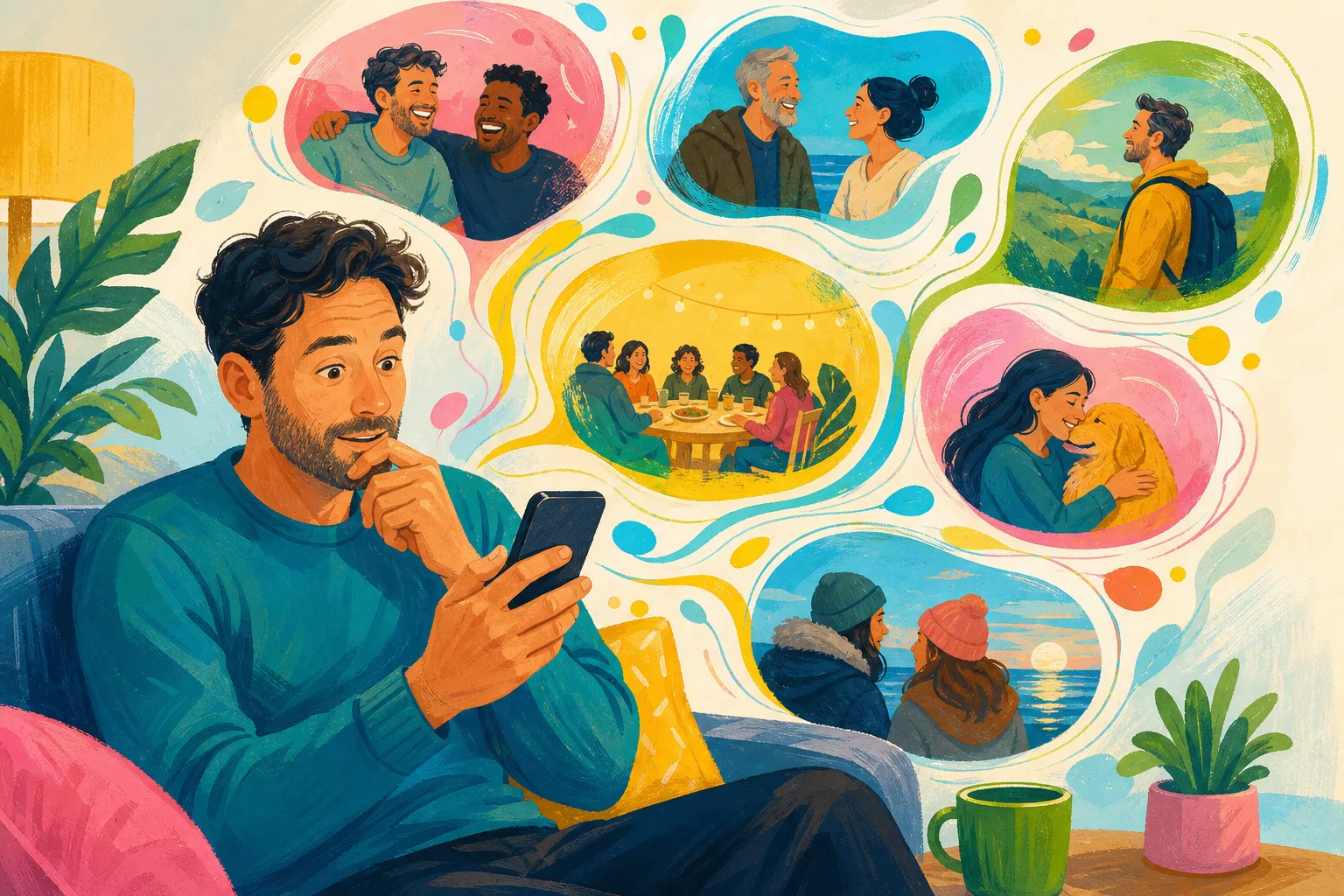

Useful reading and listening for your next step.
Read next
Listen next